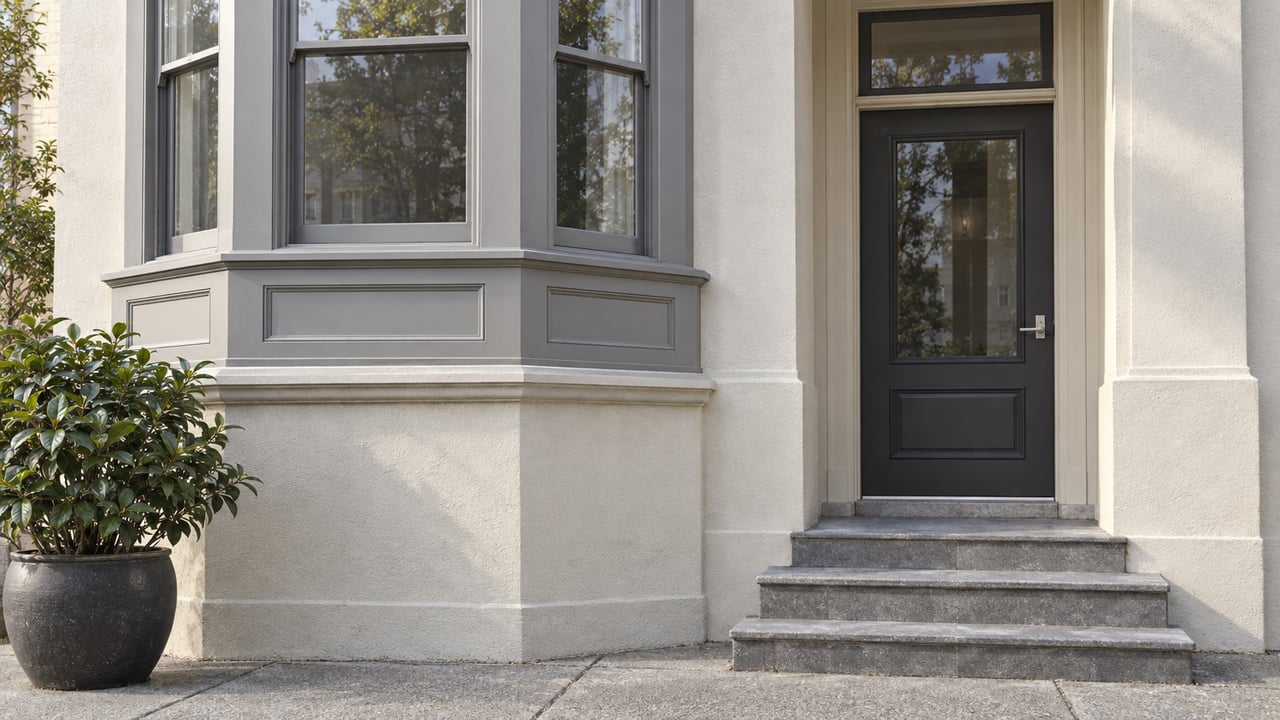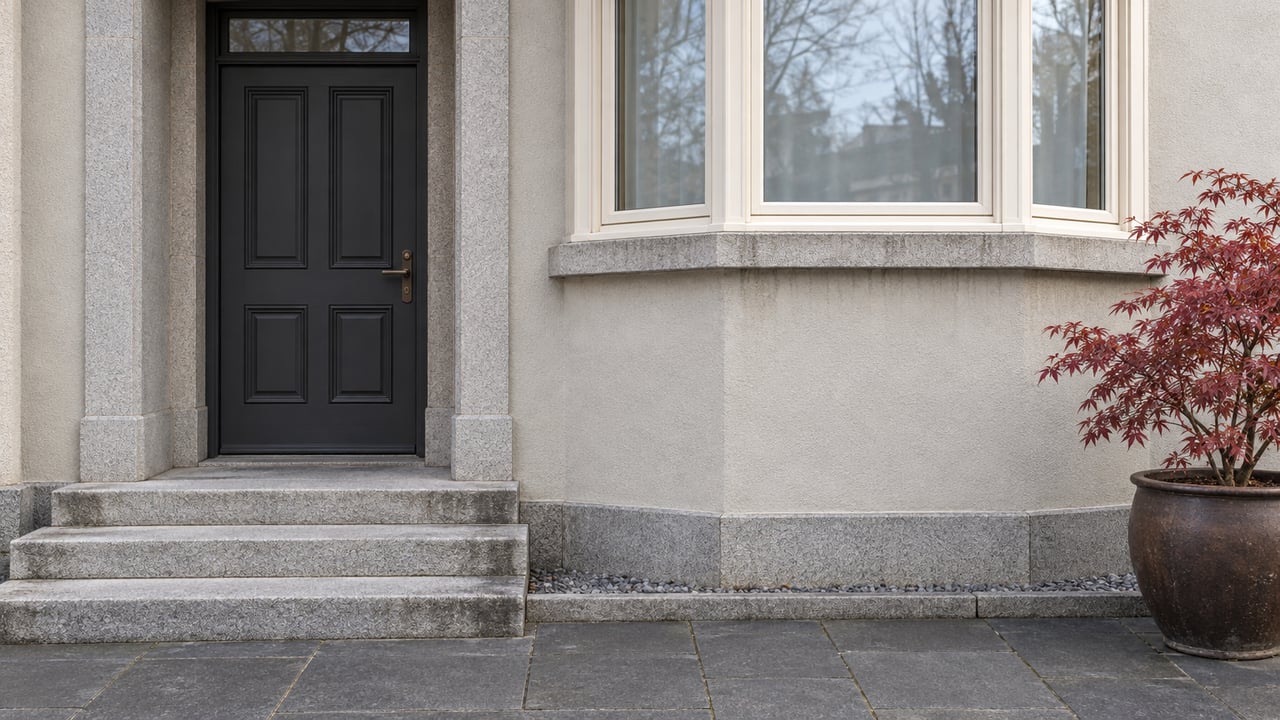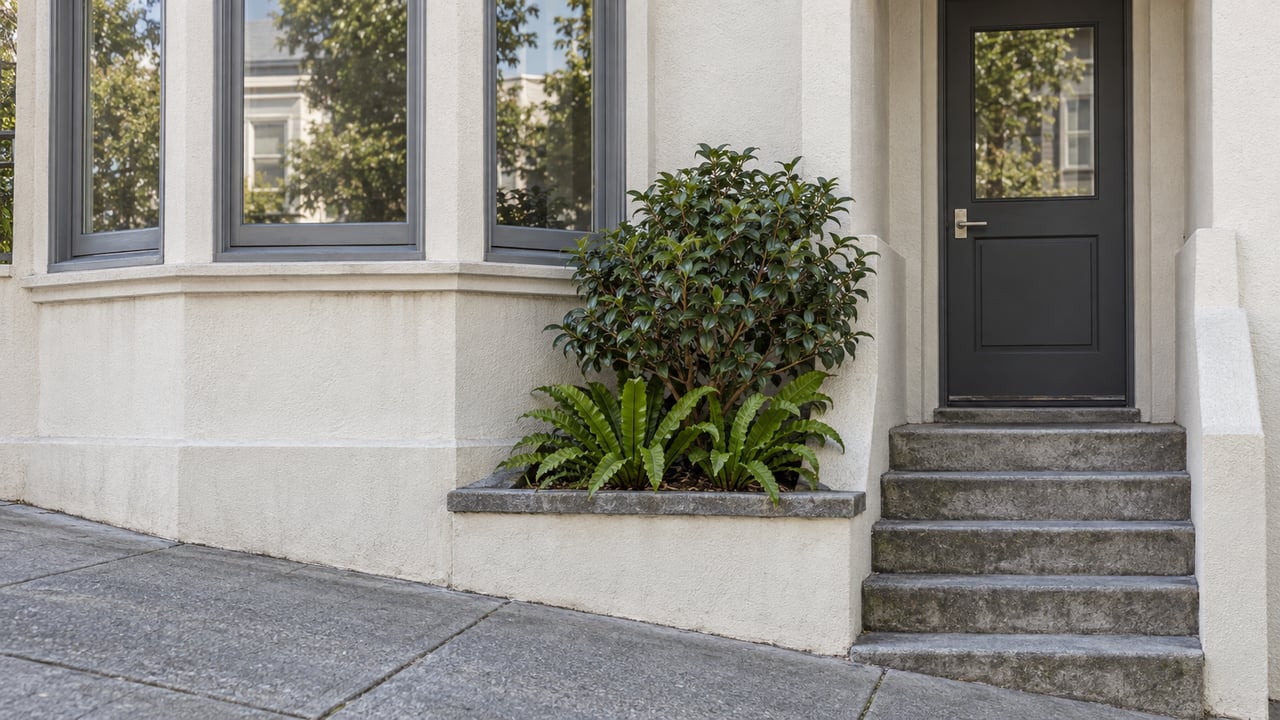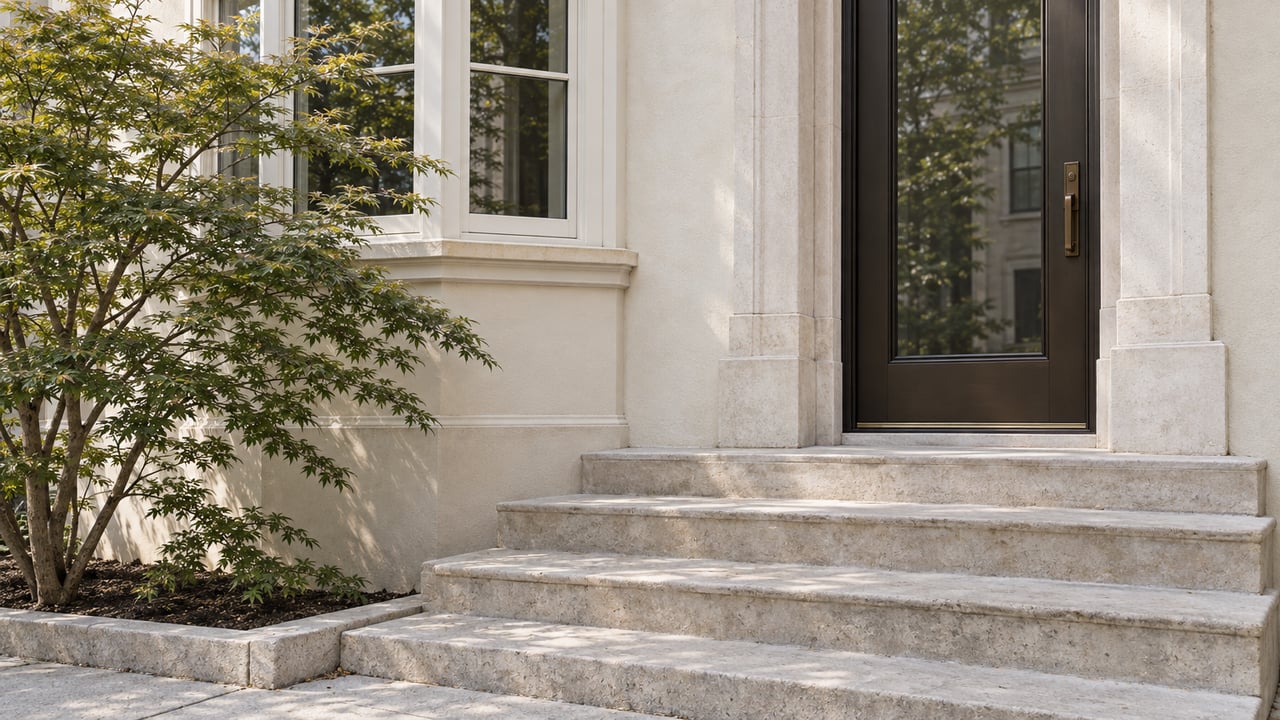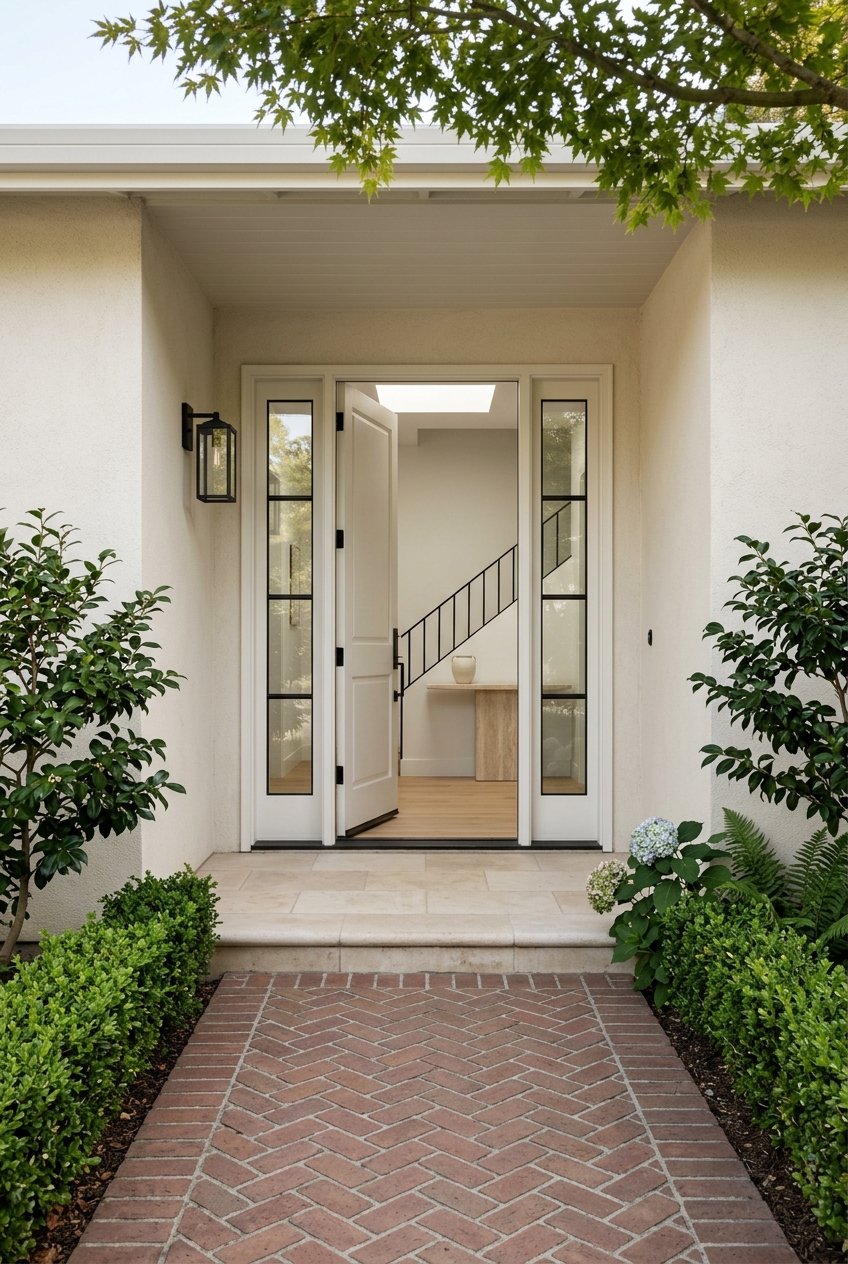
Selling an estate home in St. Francis Wood often involves more than preparing a property for market. You may be managing family decisions, legal timelines, deferred maintenance, and the emotions that come with a long-held home. The good news is that with the right sequence, you can protect the home’s character, meet the estate’s requirements, and position the property thoughtfully for today’s luxury buyers. Let’s dive in.
Why St. Francis Wood Sales Are Different
St. Francis Wood is not just another San Francisco neighborhood. It was planned in the early 1910s as a residence park with a curving street layout, underground utilities, wide streets, and a cohesive architectural vision. According to the National Park Service, the neighborhood is recognized for its planned design, while the St. Francis Homes Association notes there are 561 single-family homes across about 127 acres, along with four parks, more than 1,200 trees, and over seven miles of parkways.
That context matters when you sell an estate property here. Buyers are evaluating not only the home itself, but also its setting within a distinctive, architecture-driven environment. In practical terms, your strategy should respect the home’s provenance while presenting it in a way that feels cared for and current.
Understand the Legal Path First
Before you think about staging, photography, or pricing, you need to confirm who has authority to sell. That step shapes the timeline, the paperwork, and the level of court involvement.
Trust Sale vs Probate Sale
If the property is held in a living trust, the successor trustee can often manage the property without opening a probate case. The Santa Clara County court self-help materials explain that when all property is in trust, probate is generally not required.
If the property is not in trust and no other transfer method applies, a formal probate case may be necessary. California court guidance shows that probate commonly takes 9 to 18 months and can involve filing, publication, appraisal, and administration expenses before attorney fees are added. For many families, that timeline affects when the home can be listed, how quickly offers can be accepted, and how sale proceeds may be distributed.
Probate Timing Can Shape the Sale
When a probate sale is involved, the process can become more structured. If the personal representative has independent authority, a Notice of Proposed Action generally must be sent to certain interested parties at least 15 days before the proposed sale.
If an objection is made, the representative may not be able to complete the transaction independently. In addition, many probate real estate sales must be published and then reported to and confirmed by the court before title can pass. This is one reason estate timelines often feel slower than a standard sale.
Creditors Also Affect Timing
Estate administration is not only about heirs and court filings. Creditor notice requirements can also influence the schedule and the estate’s cash planning.
California probate guidance notes that the personal representative must notify creditors, and that notice generally goes out within the later of four months after Letters are issued or 30 days after the representative learns of the creditor. That is important because some estates need to preserve liquidity for taxes, debts, administration costs, and closing expenses before final distributions are made.
Match the Disclosure Packet to the Sale Type
One of the most common points of confusion in an estate sale is disclosures. The right disclosure package depends on whether the property is being sold through probate, by a trustee, or in another fiduciary capacity.
Some Estate Sales Have Exemptions
Under California Civil Code Section 1102.2, the standard Transfer Disclosure Statement does not apply to sales ordered by a probate court or to certain fiduciary sales in the administration of a decedent’s estate. California’s natural hazard disclosure rules also include exemptions for court-ordered sales, including probate sales.
There is an important exception for some trustees. If the seller is a natural-person trustee of a revocable trust and that trustee was an owner or occupant within the preceding year, the fiduciary TDS exemption may not apply. In short, the legal packet should be tailored to the transaction rather than assumed.
Pre-1978 Homes Need Lead Compliance
Because many St. Francis Wood homes date to the early 20th century, lead-based paint compliance is often relevant. The EPA’s real estate disclosure rules require sellers and agents of most homes built before 1978 to provide the lead pamphlet, disclose known lead information and reports, and include the required warning language before contract execution.
That does not mean every older home has a lead problem. It means you should treat lead disclosure as a routine part of preparing the file when the home’s construction date places it in that category.
Respect Character Before Renovating
With a legacy property, it can be tempting to over-improve before listing. In St. Francis Wood, that approach is not always the most effective or the most efficient.
Preservation Matters Here
The neighborhood is known for detached homes with generous setbacks and period-revival styles that include Italian Renaissance, Spanish Colonial, French Norman, and other revival architecture. The St. Francis Homes Association architecture and landscape guidance reinforces the value of preserving architectural character and landscape quality.
That usually means the best pre-listing work is selective, not sweeping. Buyers in this segment are often highly attentive to authenticity, condition, and presentation.
Historic Review May Affect Major Changes
For older San Francisco properties, there is another layer to keep in mind. SF Planning notes that buildings over 50 years old may qualify as historical resources under CEQA, and substantial changes such as demolition or major facade alterations can trigger review.
The same source notes that historic designation by itself does not change property taxes unless there is an active Mills Act contract, while a Mills Act contract can offer a potential 50% property tax reduction for qualified historic properties. For an estate sale, the practical takeaway is simple: review substantial work carefully before assuming a major redesign is the best path.
Focus on the Right Pre-Listing Work
In a selective luxury market, condition and presentation still matter. Redfin reported a San Francisco luxury median sale price of $6.44 million in October 2025, and later reported that in January 2026 luxury prices were up 15.8% year over year while luxury sales were up 25.8% year over year. Redfin also noted that the city had shifted into balanced-market territory in October 2025 after several months in buyer’s-market conditions, which suggests that even strong homes still need disciplined preparation and pricing.
Prioritize Care Over Overbuilding
For many estate homes in St. Francis Wood, the highest-value improvements are the ones that make the property feel well maintained without stripping away its identity. That often includes:
- Decluttering and organizing
- Deep cleaning
- Landscape refresh
- Repairing visible wear
- Addressing deferred maintenance that could distract buyers
- Preparing the home to feel move-in ready while preserving original character
This kind of preparation aligns with what buyers tend to notice first. A home does not have to become brand new to compete well, but it should feel intentional and well stewarded.
Use a Clear Sequence
A calm, documented process is especially helpful when multiple heirs or advisors are involved. A practical sequence for an estate sale looks like this:
- Confirm title and decision-making authority
- Inventory belongings and clarify family priorities
- Gather disclosures and any needed reports
- Select only the repairs that support saleability
- Stage, photograph, and prepare marketing
That order can reduce confusion and help avoid spending money too early, especially if authority or disclosure questions are still being resolved.
Keep Heirs Aligned During the Sale
Many estate sales are slowed down less by the market than by unclear communication. When several family members are involved, small misunderstandings can become costly delays.
A better approach is to agree on the process early. Decide who has authority, how updates will be shared, what level of preparation is appropriate, and how pricing decisions will be made. A neutral, well-documented plan can keep the transaction moving and reduce friction during an already emotional time.
Presentation Still Drives Results
Even in a prestige neighborhood, buyers compare options closely. They respond to homes that feel polished, honest, and easy to understand.
For a St. Francis Wood estate home, that often means pairing architectural sensitivity with modern presentation. Professional photography, strong visual storytelling, and a focused property narrative can help buyers appreciate both the house itself and its place within one of San Francisco’s most distinctive residential settings.
If you are preparing to sell an estate property in St. Francis Wood, the goal is not simply to put the home on the market. It is to move through the legal and practical steps in the right order, preserve what makes the property special, and present it with care. If you would like a discreet, strategic plan for your sale, Heidi Rossi offers private, concierge-style guidance tailored to complex San Francisco estate and luxury property transactions.
FAQs
Is probate always required to sell an estate home in St. Francis Wood?
- No. If the property is held in a living trust, the successor trustee can often manage the sale without probate, according to California court self-help guidance.
How long can a probate sale take for a St. Francis Wood property?
- A formal probate case in California typically takes about 9 to 18 months, and the sale itself may also involve notice, publication, and possible court confirmation steps.
What disclosures apply when selling an estate home in St. Francis Wood?
- The required disclosures depend on whether the sale is a probate sale, a trustee sale, or another fiduciary sale, because some estate transactions are exempt from the standard Transfer Disclosure Statement.
Do older St. Francis Wood homes need lead-based paint disclosures?
- Yes, in many cases. Most homes built before 1978 require federal lead-based paint disclosures, including delivery of the lead pamphlet and disclosure of known information.
Should you fully renovate an estate home before listing in St. Francis Wood?
- Not necessarily. For many legacy properties, targeted preparation such as cleaning, repairs, and landscape refresh delivers better results than a major renovation that may erase character or trigger additional review.
Can historic rules affect pre-sale improvements in St. Francis Wood?
- Yes. In San Francisco, buildings over 50 years old may be considered historical resources under CEQA, and major exterior changes or demolition can trigger review.
How can families keep heirs aligned during a St. Francis Wood estate sale?
- Start with a clear process that confirms authority, sets communication expectations, documents decisions, and prioritizes only the work that supports the sale.