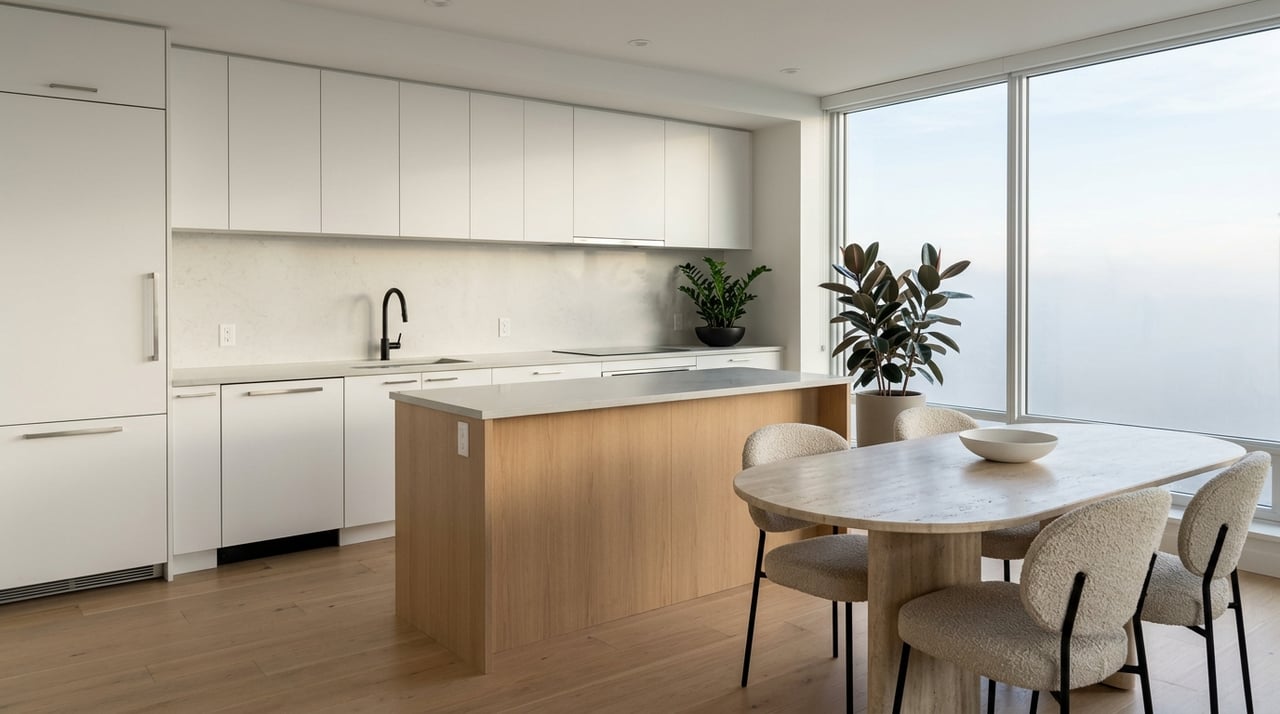
If you are thinking about buying a condo in South Beach as an investment, the appeal is easy to see. You get a waterfront setting, strong transit access, and the energy of Oracle Park all in one compact pocket of San Francisco. But in this neighborhood, the smartest investment decisions come down to details like HOA rules, reserves, rental restrictions, and building-level costs. Let’s take a closer look at what matters.
Why South Beach Draws Condo Investors
South Beach has evolved into one of San Francisco’s clearest waterfront condo markets. San Francisco Planning describes the area as a mixed residential and commercial neighborhood shaped by long-term growth since the 1980s, with close ties to South Beach Harbor, waterfront parks, and transportation improvements along The Embarcadero.
For you as an investor, that mix matters. A neighborhood with waterfront access, open space, and urban connectivity can appeal to a broader range of renters and future buyers than a location that offers only one of those advantages.
Waterfront lifestyle supports demand
The setting near the Bay is more than a visual perk. San Francisco Planning points to a connected network that includes the ballpark, waterfront parks, and harbor amenities, while the Port of San Francisco notes that South Beach Harbor is a full-service marina next to the Giants’ ballpark.
That combination creates everyday lifestyle value. It can also help support demand from people who want a home near downtown, near transit, and near the waterfront at the same time.
Oracle Park adds year-round energy
Being near Oracle Park gives South Beach a distinct identity. On game days and event days, the area sees a visible boost in activity, and that can enhance the neighborhood’s appeal for owners who value a lively urban setting.
At the same time, this is not just an event-driven location. The area’s long-term draw also comes from its residential character, parks, waterfront access, and commuting convenience.
Transit access is a major advantage
Transit is one of South Beach’s strongest investment fundamentals. Caltrain places the San Francisco Station at 4th and King, one block from Oracle Park, while BART riders can connect through Embarcadero or Powell. SFMTA also serves the area through lines including the N Judah and T Third.
That level of access can widen your renter pool. In practical terms, South Beach may appeal to people who want flexible transportation options without relying on a car for every trip.
What the Current South Beach Market Shows
The latest neighborhood data points to a high-value, active condo market. As of April 2026, Realtor.com reports 180 homes for sale, 73 homes for rent, a median listing price of $1.085 million, a median sold price of $1.106 million, median rent of $5,250 per month, median days on market of 57, and a 99% sale-to-list ratio. Realtor.com classifies South Beach as a balanced market.
Redfin reported a median sale price of $1,036,250 in March 2026, up 22.1% year over year. The exact figures differ by source and timing, but both data sets point to the same broad takeaway: South Beach remains a premium condo submarket with active buyer demand.
Rental supply appears tighter
The rental side of the market may be especially important if your investment plan includes long-term leasing. Realtor.com reports 73 rental properties in South Beach, down 43.2% year over year.
For a small neighborhood, that drop is worth paying attention to. It suggests reduced active rental supply, which may support leasing prospects for well-located units with attractive layouts, views, or amenities.
What to Underwrite Before You Buy
In South Beach, not all condo buildings operate the same way. Two towers that look similar from the outside can carry very different monthly costs, rental flexibility, and long-term financial risk.
That is why building-level diligence matters as much as neighborhood selection.
Review HOA rules carefully
In California, homeowners associations are governed by their own CC&Rs, bylaws, and operating rules. The California Attorney General notes that these documents can affect owner rights, use restrictions, fees, assessments, and daily building policies.
For you, that means you should not assume one South Beach condo works like another. Rental caps, pet policies, parking rules, move-in procedures, and leasing restrictions can vary significantly from building to building.
Check reserve health and assessment risk
Reserve funding is one of the most important parts of condo due diligence. The California Department of Real Estate explains that common-interest developments are subject to reserve study requirements every three years under Civil Code 5550, and it recommends reviewing the association budget, reserve funding disclosure, delinquencies, and current bank statements.
This matters because underfunded reserves can increase the chance of future special assessments. If you are comparing two condos with similar asking prices, stronger reserves and a more stable association can make a meaningful difference in your long-term costs.
Compare dues against actual value
Amenity-rich buildings can be attractive to both renters and future buyers. Features like door staff, fitness centers, pools, common terraces, parking, and resident lounges may help support marketability.
But those amenities also come with ongoing maintenance obligations. Instead of assuming high dues are either good or bad, compare dues to reserve strength, assessment history, and the building’s actual amenity package.
Rental Strategy Matters in San Francisco
If you are buying near Oracle Park, it is important to match the property to a realistic rental strategy. In San Francisco, rental rules can depend on the building, the unit type, and the year the property was built.
That makes broad assumptions risky.
Long-term leasing is usually the cleaner path
According to SF.gov, many residential units built on or before June 13, 1979 have local rent control and eviction protections, while units built after that date generally have eviction protections only. SF.gov also states that most single-family homes and condos do not have local rent control if the tenant moved in on or after January 1, 1996, though some units may still fall under California’s Tenant Protection Act.
For condo investors, the practical takeaway is simple. You should confirm the rules for the specific unit you are considering rather than relying on general neighborhood assumptions.
Short-term rentals are often less feasible
Many buyers initially wonder whether a South Beach condo near Oracle Park could work as a short-term rental. In practice, San Francisco’s rules are much tighter than many people expect.
SF.gov says a short-term rental host must be a permanent San Francisco resident, must own or occupy the unit, must have lived there for at least 60 days before applying, and must live there at least 275 nights per year. The city also states that HOA bylaws and CC&Rs may still prohibit short-term rentals even if city rules would otherwise allow them.
For most investors, that makes long-term leasing or personal use the more realistic model. If your plan depends on short-term rental income, South Beach condos usually require much deeper legal review before they make sense.
Neighborhood Risk and Long-Term Resilience
Every waterfront purchase should include a long view. South Beach’s location is part of its value, but it also brings considerations tied to coastal infrastructure and resilience planning.
The Port of San Francisco’s South Beach Coastal Resilience Project would replace seawall and wharves along The Embarcadero between Harrison and Townsend Streets, raise structures to help protect against sea level rise, and improve earthquake stability. The Port also identifies sea level rise and flooding as increasing threats along the waterfront.
For you, this does not mean avoiding the area. It means treating resilience, infrastructure planning, and building condition as part of a disciplined investment review.
How to Evaluate a South Beach Condo Well
If you want to invest near Oracle Park, focus on the unit and the building with equal care. A strong purchase usually comes from aligning the property’s features, costs, and rules with your actual goals.
A useful checklist includes:
- Review the HOA’s CC&Rs, bylaws, and current rules
- Analyze monthly dues and what they cover
- Review reserve funding disclosures and recent financials
- Ask about special assessment history and pending capital projects
- Confirm rental restrictions for the specific building
- Verify how local rental rules apply to the specific unit
- Evaluate transit access, floor plan, outlook, and livability
- Consider long-term waterfront resilience and infrastructure factors
The South Beach Investment Bottom Line
South Beach remains one of San Francisco’s more compelling condo investment locations for buyers who want waterfront access, strong transit, and a neighborhood with consistent lifestyle appeal. Current pricing, rent levels, and reduced rental inventory suggest ongoing demand, while the area’s connection to Oracle Park, Caltrain, and the waterfront helps support its long-term relevance.
Still, this is not a market where you want to buy on headline appeal alone. The most successful purchases tend to be condos with durable livability, manageable dues, healthy reserves, and rental rules that support your exit strategy.
If you are weighing a South Beach condo near Oracle Park, a careful, building-specific review can help you buy with more confidence and less friction. For discreet guidance on South Beach purchases and San Francisco condo strategy, schedule a private consultation with Heidi Rossi.
FAQs
What makes South Beach attractive for condo investors near Oracle Park?
- South Beach offers a rare mix of waterfront access, transit connectivity, parks, and proximity to Oracle Park, which can support both lifestyle appeal and long-term demand.
What are current South Beach condo market conditions in 2026?
- As of April 2026, Realtor.com reports a median listing price of $1.085 million, a median sold price of $1.106 million, median rent of $5,250 per month, 57 median days on market, and a balanced market designation.
Why do HOA documents matter for South Beach condo investments?
- HOA documents can determine rental rules, fees, assessments, parking policies, pet rules, and other restrictions, and those details can vary widely from one building to another.
Can you use a South Beach condo as a short-term rental in San Francisco?
- In many cases, short-term rental use is limited because San Francisco requires the host to be a permanent resident, and HOA rules may also prohibit short-term rentals.
What should you review before buying a condo in South Beach?
- You should review the building’s HOA rules, reserve funding, budget disclosures, assessment history, monthly dues, rental restrictions, and the unit’s fit for your long-term strategy.