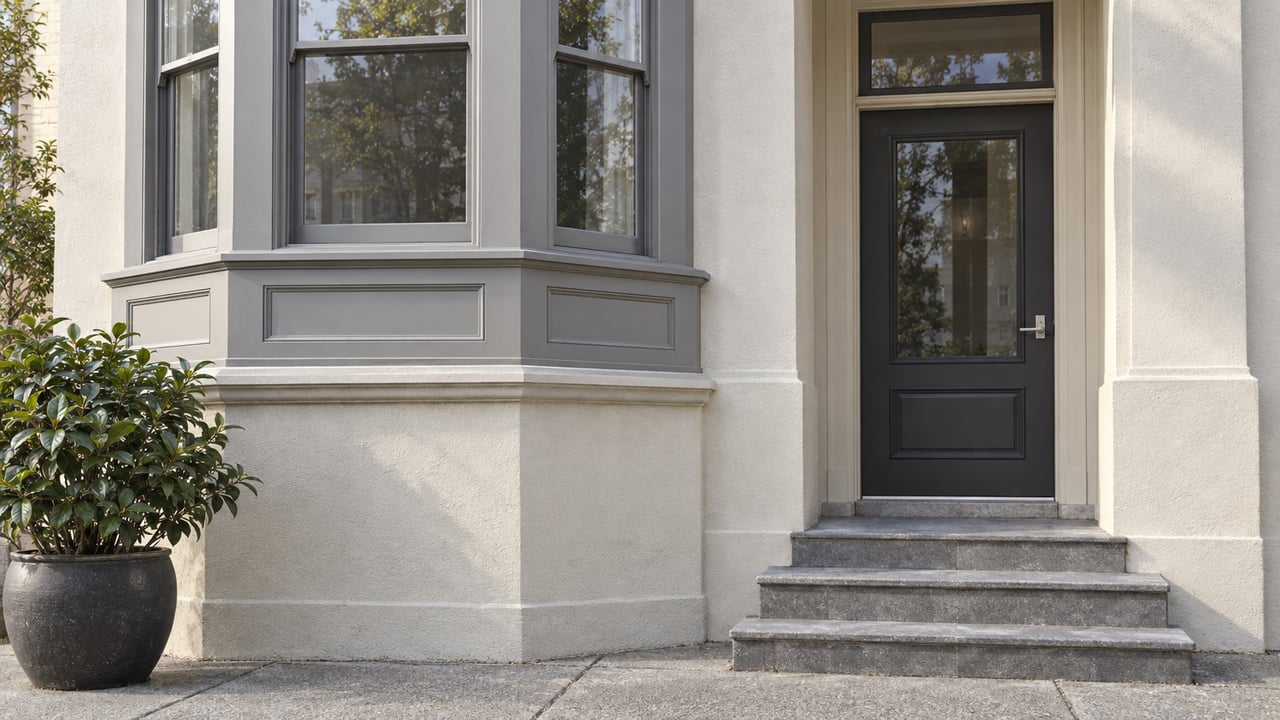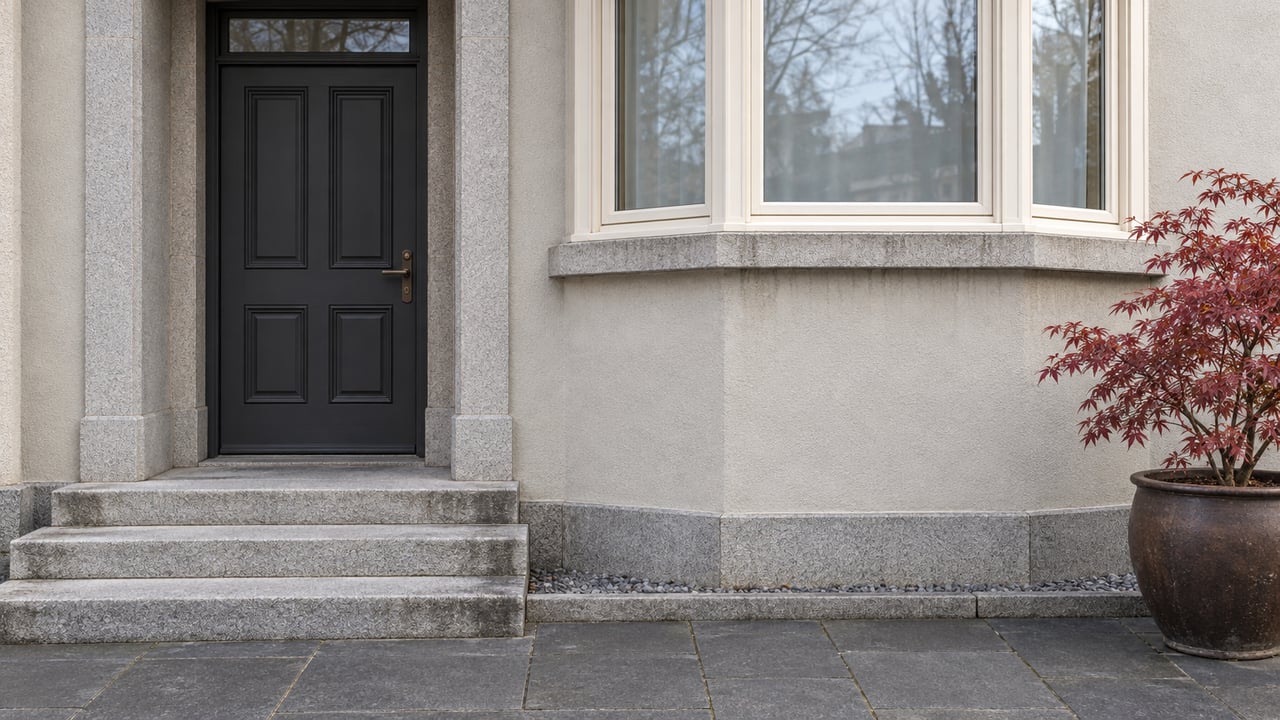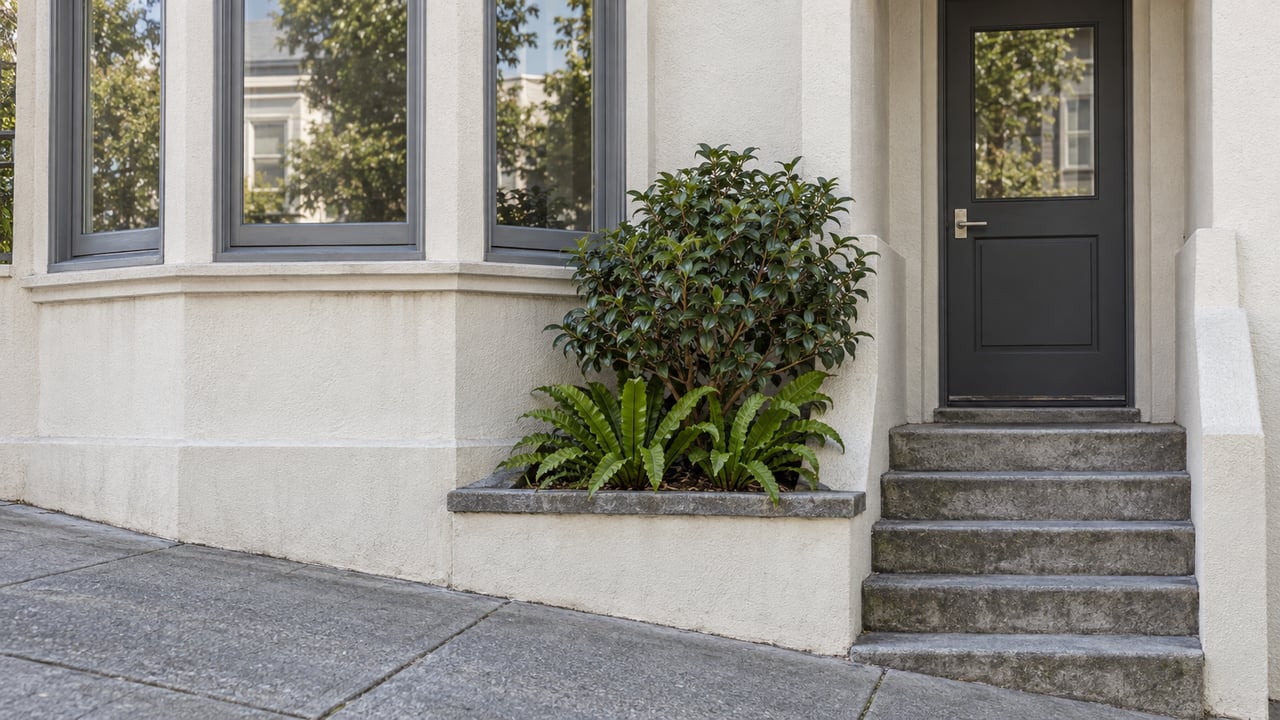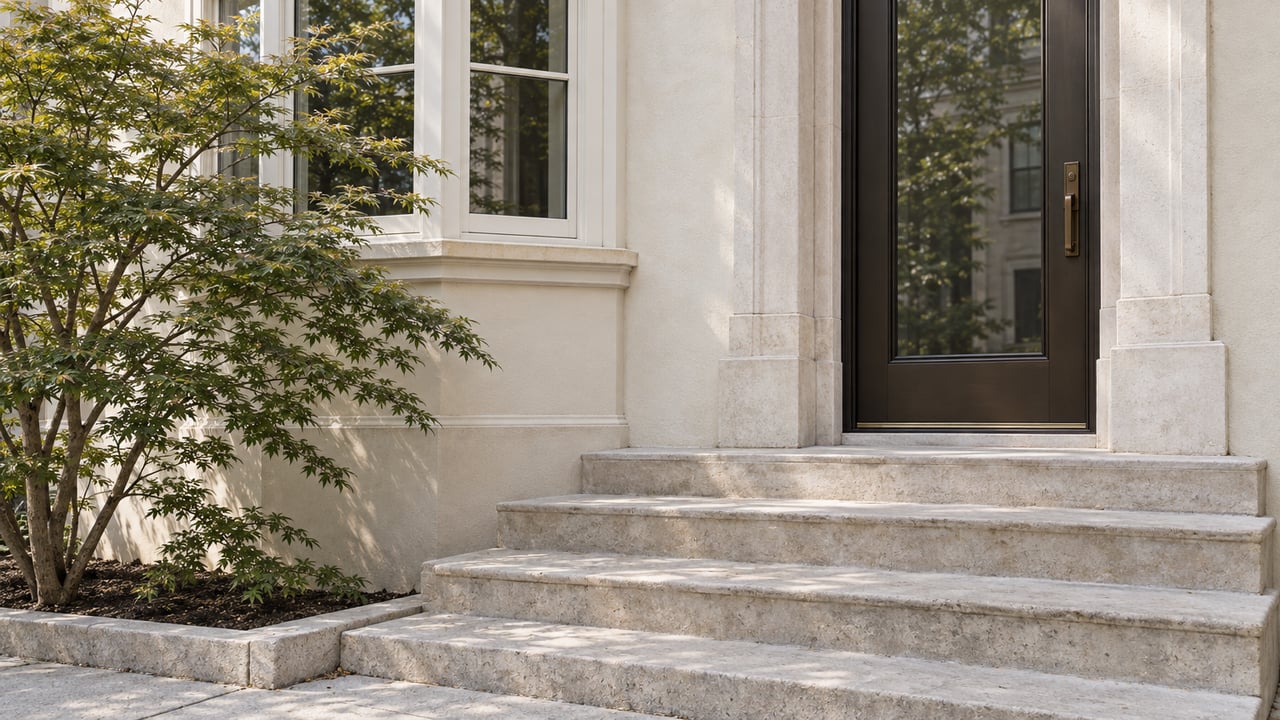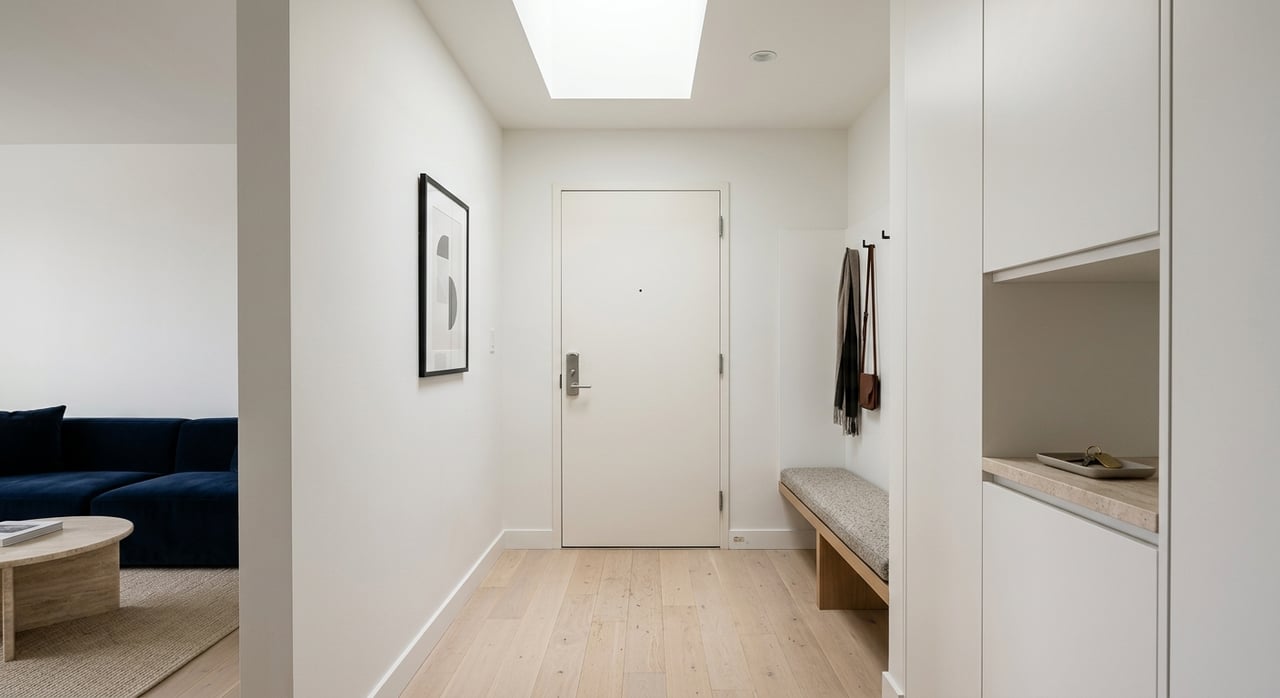
Choosing a San Francisco pied-à-terre is rarely just about square footage. You are also choosing a rhythm, a view, a daily routine, and the level of ease you want when you arrive in the city. If Telegraph Hill is on your shortlist, you are likely drawn to its unmistakable character and central location. This guide will help you weigh the tradeoffs so you can decide whether Telegraph Hill fits the way you actually plan to live in San Francisco. Let’s dive in.
Why Telegraph Hill Stands Out
Telegraph Hill offers a version of San Francisco that feels both iconic and deeply local. Historic homes, narrow lanes, stairways, and dramatic elevation changes give the neighborhood a distinctive sense of place that is hard to replicate elsewhere in the city.
It also places you close to the energy of North Beach. According to SF Travel and Walk Score, the area connects you to shops on Grant Avenue, restaurants and bars near Broadway, public art, and well-known destinations like Coit Tower and Pioneer Park. For many pied-à-terre buyers, that mix of charm and convenience is the main draw.
Walkability Favors a Car-Light Lifestyle
If your ideal city home lets you step outside and start your day on foot, Telegraph Hill is compelling. Walk Score rates the neighborhood 97 for walkability and 86 for transit, and estimates about 233 restaurants, bars, and coffee shops nearby.
That matters for a second home. When you are only in the city part time, ease often matters more than size. Being able to walk to dining, coffee, and neighborhood amenities can make a smaller residence feel more useful and more enjoyable.
What daily life can feel like
Telegraph Hill suits buyers who want an urban routine with texture. You may be heading out for coffee, walking to dinner in North Beach, or taking in bay and city views near Coit Tower without needing to plan around a car.
The neighborhood’s physical layout also shapes the experience. The stairways, pedestrian lanes, and hillside streets create charm, but they can add effort to everyday movement. That is wonderful for some buyers and less practical for others.
Historic Character Comes With Tradeoffs
Telegraph Hill is not just a recognizable neighborhood name. SF Planning notes that the Telegraph Hill Landmark District covers 6 blocks and 90 parcels and contains the largest concentration of pre-1870s buildings in San Francisco, along with a later wave of modernist buildings from 1935 to 1941.
For a pied-à-terre buyer, that heritage can be a major advantage. You may find a home with architectural personality, a memorable setting, and a sense of provenance that feels far more special than a standard city condo.
Parcel-by-parcel details matter
At the same time, planning context is important here. SF Planning notes that San Francisco neighborhoods do not have official boundaries, so parcel-level review matters when checking zoning and use considerations.
That is especially relevant in Telegraph Hill, where the broader neighborhood identity overlaps with the Telegraph Hill Landmark District and the Telegraph Hill-North Beach Residential Special Use District. If you are comparing two homes a few blocks apart, the details tied to a specific parcel may matter more than the neighborhood label in the listing.
Price Points Are Wide, and Inventory Is Thin
Telegraph Hill can work as a pied-à-terre market, but it is not an entry-level one. Realtor.com currently shows 11 active homes in the neighborhood, with a median listing price of $1.65 million and an average market time of 66 days.
Within that small sample, 1-bedroom condos range from about $638,000 to $1.495 million. Two-bedroom condos appear much higher, with one around $1.898 million pending and another listed at $2.995 million. That spread tells you something important: in Telegraph Hill, pricing can vary sharply based on views, condition, building style, and exact location.
What this means for pied-à-terre buyers
If you want a smaller city base in a highly recognizable San Francisco neighborhood, there may be options. But you should expect limited inventory and meaningful differences from one property to the next.
In practical terms, that means the right home may not be obvious from price alone. A lower-priced unit may come with compromises in access, amenities, or building rules, while a higher-priced one may justify the premium through views, layout, or a more turnkey experience.
HOA Rules Matter More Than You Think
For many second-home buyers, the building can matter as much as the neighborhood. The California Attorney General notes that HOA CC&Rs, bylaws, and board rules govern how most HOAs operate, and HOAs usually require fees and assessments.
That makes document review especially important if you are buying a lock-and-leave residence. Before you fall in love with a unit, you will want to understand the practical rules that could shape how you use it and what ownership will feel like over time.
Key questions to ask about an HOA
- What are the monthly dues and what do they cover?
- Are there special assessments or major building projects planned?
- Are there move-in, remodeling, or occupancy rules that affect part-time owners?
- What house rules apply to guests, package handling, or building access?
A pied-à-terre should simplify your life, not create surprise friction. Clear answers upfront can help you compare buildings with confidence.
Parking Is Usually the Weak Spot
Telegraph Hill is better suited to car-light living than car-dependent living. In the neighborhood’s residential special use district, off-street parking and garage installation are tightly controlled, and parking near Coit Tower is very limited.
If you plan to drive often, that deserves serious attention. A home can be beautiful and still feel inconvenient if parking is a recurring challenge every time you come into the city.
When Telegraph Hill works best
Telegraph Hill tends to work best if you:
- Prefer to walk for daily errands and dining
- Use transit or rideshare regularly
- Want a city base rather than a car-centered home
- Value views and atmosphere over easy vehicle access
If your routine depends on frequent driving, flatter neighborhoods with easier parking may feel more practical.
Short-Term Rental Flexibility Is Limited
Many buyers ask whether a pied-à-terre can double as a flexible rental property. In San Francisco, that path is narrow.
SF Planning states that a short-term residential rental is a stay of less than 30 nights, and the host must be the unit’s permanent resident for at least 275 nights per year. Un-hosted rentals are capped at 90 nights annually, and the host must also hold both a business registration certificate and a short-term rental certificate.
Why this matters for part-time owners
If you will not be using the property as your permanent residence, Telegraph Hill is generally better viewed as a personal city retreat than a high-flexibility short-term rental asset. Rentals longer than 30 nights fall under separate occupancy rules that may also raise tenant-rights and rent-control considerations.
That does not make ownership less appealing. It simply means your purchase strategy should be grounded in how you want to use the home first, rather than in assumptions about easy rental income.
Who Telegraph Hill Fits Best
Telegraph Hill is strongest for buyers who want a distinctive San Francisco base with historic character, excellent walkability, and close access to North Beach culture. It can be especially appealing if you value a low-maintenance lifestyle, city views, and the feeling of being tucked into one of the city’s most memorable hillside settings.
It is a weaker fit if you need broad short-term rental flexibility, simple parking, or easy everyday car access. The neighborhood’s appeal is real, but so are its constraints.
A quick fit check
Telegraph Hill may be right for you if you want:
- A lock-and-leave home in a highly walkable setting
- Historic or architecturally distinctive surroundings
- Proximity to dining, culture, and iconic San Francisco landmarks
- A neighborhood with strong identity and view potential
You may want to look elsewhere if you prioritize:
- Frequent driving and easy parking
- Flat streets and simpler access
- Broad rental flexibility
- Larger inventory and more direct price comparisons
The Bottom Line on Telegraph Hill
For the right buyer, Telegraph Hill makes an exceptional pied-à-terre. It offers beauty, intimacy, and a daily experience that feels unmistakably San Francisco. But it rewards a clear-eyed approach, because access, HOA rules, parking, and use limitations matter just as much as charm.
If you are considering a purchase here, the best next step is to evaluate specific properties through the lens of how you will truly use them. A thoughtful, parcel-level review can make all the difference in a neighborhood this nuanced.
If you are weighing Telegraph Hill against other San Francisco options, Heidi Rossi can help you compare the details that matter most and find a city home that fits your lifestyle with clarity and discretion.
FAQs
Is Telegraph Hill in San Francisco good for a pied-à-terre?
- Telegraph Hill can be a strong pied-à-terre choice if you want historic character, high walkability, access to North Beach, and a lock-and-leave city base.
What is daily life like in Telegraph Hill for part-time owners?
- Daily life in Telegraph Hill tends to be walkable and amenity-rich, with nearby dining, coffee shops, transit access, and landmark destinations like Coit Tower and Pioneer Park.
Are Telegraph Hill homes easy to access by car?
- Telegraph Hill is generally less convenient for car-focused living because of steep streets, pedestrian lanes, and tightly controlled off-street parking and garage installation.
Can you use a Telegraph Hill pied-à-terre as a short-term rental?
- San Francisco keeps short-term rental use narrow, so a Telegraph Hill pied-à-terre is usually better treated as a personal second home than a flexible short-term rental property.
Are condo rules important when buying a Telegraph Hill second home?
- Yes. HOA CC&Rs, bylaws, rules, fees, and possible assessments can strongly affect how a part-time owner uses and enjoys a Telegraph Hill property.