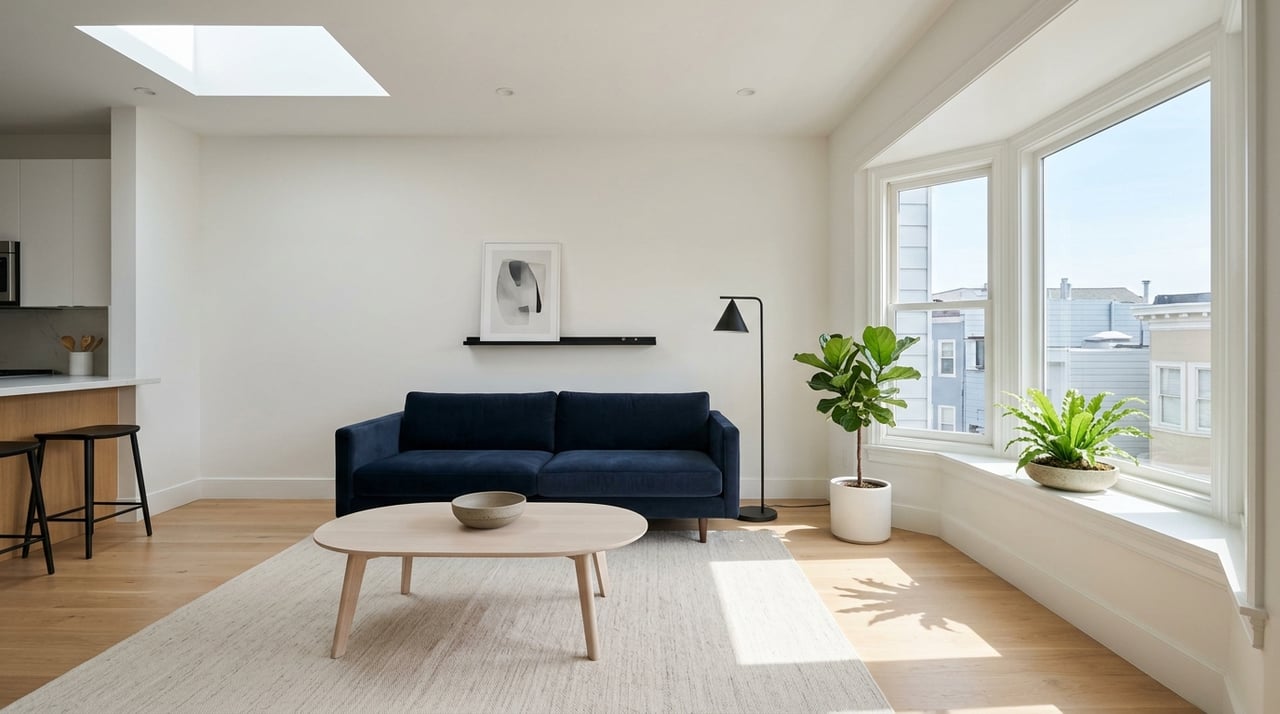
If you are wondering what everyday life in Pacific Heights actually feels like, the short answer is this: polished, convenient, and surprisingly easy to settle into. This is a neighborhood where broad bay views, calm residential streets, and well-used commercial corridors shape a daily rhythm that feels both elevated and practical. If you are considering a move here, understanding that rhythm matters just as much as understanding the real estate. Let’s take a closer look.
Pacific Heights has a distinct daily rhythm
Pacific Heights is often defined by its setting. Official city and visitor sources describe it as a hilltop residential neighborhood with grand homes, expansive views, and a quieter feel than some of San Francisco’s busier districts. That combination gives daily life here a composed, low-key pace.
In practical terms, that means your day can stay close to home. Rather than planning around long cross-city errands, many of the basics of daily living can happen within the neighborhood or just beyond it. You can start with coffee, fit in a walk, stop by a market, and meet friends for dinner without making the day feel overly scheduled.
Mornings often begin close to home
One of the clearest themes in official Pacific Heights guides is how local a typical morning can feel. The neighborhood supports routines built around breakfast spots, cafes, small shops, and a quick reset outdoors. That makes the start of the day feel more grounded and less rushed.
For many residents, a morning here is less about commuting from point to point and more about moving through the neighborhood at a comfortable pace. You may grab coffee, walk a few blocks, and feel connected to the city without getting pulled into its busiest energy right away.
Alta Plaza Park anchors outdoor time
Alta Plaza Park is one of the neighborhood’s signature outdoor spaces, and it says a lot about how Pacific Heights lives. The park spans nearly 12 acres and includes a grand staircase, panoramic city and bay views, a playground, picnic tables, tennis and pickleball courts, and an off-leash dog area.
That mix makes it useful in everyday life, not just on weekends. Some people head there for exercise, some for fresh air, and some simply for a few minutes outside with a view. It is the kind of park that becomes part of a routine.
Lafayette Park adds another easy option
Lafayette Park gives residents another major outdoor space nearby. At 11.5 acres, it offers grassy lawns, city and bay views, tennis, a playground, picnic tables, and an off-leash dog area. San Francisco Recreation and Parks also notes that it serves a very dense part of the city.
In day-to-day terms, that means outdoor time is not hard to access. If you want a place to walk, sit, bring a dog, or meet up casually, there are strong local options without leaving the neighborhood’s orbit.
Bigger outings are still close by
When you want more distance or variety, Pacific Heights is also well positioned for larger outdoor outings. The Presidio offers 24 miles of hiking and biking trails along with eight scenic overlooks. Crissy Field adds a flat waterfront promenade running between Marina Green and Fort Point.
These nearby destinations broaden the lifestyle without changing its tone. You can keep your weekday routine compact, then stretch out into longer walks or rides when you want a bigger window of time outside.
Fillmore Street shapes daily convenience
If the parks help define the neighborhood’s pace, Fillmore Street helps define its functionality. SF.gov describes Fillmore as Pacific Heights’ main shopping and dining corridor, with a mix of boutiques, thrift, cafes, bars, breakfast spots, books, vintage shopping, neighborhood grocers, and evening dining.
That variety matters because it supports the kind of neighborhood living many buyers want in San Francisco. You are not relying on a single use or a one-note retail strip. Instead, there is a practical blend of everyday errands and social activity.
Errands feel more manageable
One of the appealing parts of life in Pacific Heights is how many small tasks can fit naturally into your day. If you need groceries, want to browse shops, or plan to meet someone for coffee, the neighborhood’s commercial streets support that with relatively little friction.
This helps explain why the area often feels more livable than a postcard description alone would suggest. Pacific Heights may be known for architecture and views, but its day-to-day convenience is a major part of its appeal.
Dining and evenings stay nearby
The same corridor that supports daytime errands also gives the neighborhood an evening rhythm. You can keep the night simple with a nearby dinner or make it more social with drinks along Fillmore and adjacent streets. That makes it easier to enjoy the city without feeling like every evening requires a bigger plan.
For busy professionals, pied-a-terre buyers, or anyone who values efficiency, this local ease can be a meaningful advantage. Daily life feels elevated, but not complicated.
Union Street adds another layer nearby
Union Street, just nearby, broadens the range of things within reach. SF.gov describes it as a Victorian street with contemporary energy, with specialty shops, services, restaurants, gyms, cycle shops, yoga studios, spas, boutiques, sports bars, and coffee shops.
That nearby access helps Pacific Heights feel connected rather than isolated. Even though the neighborhood itself has a calm residential identity, you are still close to another active corridor with services and social options that support everyday urban living.
Transit is better than many expect
Because Pacific Heights is a hill neighborhood, many buyers assume getting around must be difficult. In reality, transit coverage is one of the neighborhood’s stronger practical advantages. SFMTA lists the area as served by the California Cable Car, 1 California, 22 Fillmore, 24 Divisadero, 41 Union, 45 Union/Stockton, 47 Van Ness, and 49 Van Ness/Mission, among others.
That is a meaningful network for a neighborhood with steep topography. It gives you multiple ways to connect to downtown and other parts of San Francisco without depending entirely on a car.
Key lines support daily mobility
SFMTA notes that the 1 California has a short route between Pacific Heights and Downtown. The California Cable Car runs daily from 7 a.m. to 9 p.m. The 22 Fillmore runs 24 hours daily and carries more than 20,000 riders a day.
Taken together, those details point to a neighborhood that is more connected than its hillside setting might suggest. While some trips will still feel easier by rideshare or car, especially because of the grades, Pacific Heights is not cut off from the rest of the city.
The mood shifts by block and time of day
A big part of Pacific Heights’ appeal is that it does not feel the same on every block. Visitor guidance points to quieter residential streets, distinctive architecture, and more active dining and bar scenes along corridors like Fillmore and nearby streets. That mix gives the neighborhood balance.
During the day, the mood can feel calm, residential, and view-oriented. In the evening, activity gathers more naturally around restaurants, bars, and commercial pockets. So if you are asking whether Pacific Heights feels quiet or lively, the answer is often both.
What daily life here really comes down to
At its core, daily life in Pacific Heights is less about one single destination and more about a repeatable pattern. You can walk to coffee, spend time in a park, take care of errands along Fillmore, use transit when needed, and return home to one of San Francisco’s most visually striking settings.
For many buyers, that is the real draw. Pacific Heights offers a residential experience that feels refined without feeling removed from the city. It is scenic, practical, and composed in a way that tends to reveal itself through daily routines rather than big moments alone.
If you are weighing a move to Pacific Heights or comparing San Francisco neighborhoods at a more detailed level, a local perspective can make the decision much clearer. For thoughtful guidance tailored to your goals, schedule a private consultation with Heidi Rossi.
FAQs
What does daily life in Pacific Heights usually look like?
- Daily life in Pacific Heights often centers on coffee, neighborhood walks, park time, errands along Fillmore Street, and nearby dining rather than long-distance trips across the city.
What parks do Pacific Heights residents use most?
- Alta Plaza Park and Lafayette Park are two of the neighborhood’s main outdoor spaces, with views, open lawns, courts, picnic areas, playgrounds, and off-leash dog areas.
Is Pacific Heights isolated from the rest of San Francisco?
- No. SFMTA lists several transit options in Pacific Heights, including the California Cable Car and multiple Muni lines that connect the neighborhood to downtown and other parts of the city.
Does Pacific Heights feel quiet or active?
- It typically feels calmer on residential blocks and more active along Fillmore Street, Union Street, and nearby dining corridors.
Is Pacific Heights convenient for a car-light lifestyle?
- The neighborhood’s transit network and nearby shopping and dining corridors support a car-light routine, though some hillside trips may still feel easier by rideshare or car.