When you sell in the Marina, buyers notice more than square footage and style. They are often moving quickly, comparing every detail, and looking for a home that feels both beautiful and well prepared. If you want to stand out in a fast-moving luxury market, a thoughtful pre-listing plan can help you present your property with confidence. Let’s dive in.
Why preparation matters in the Marina
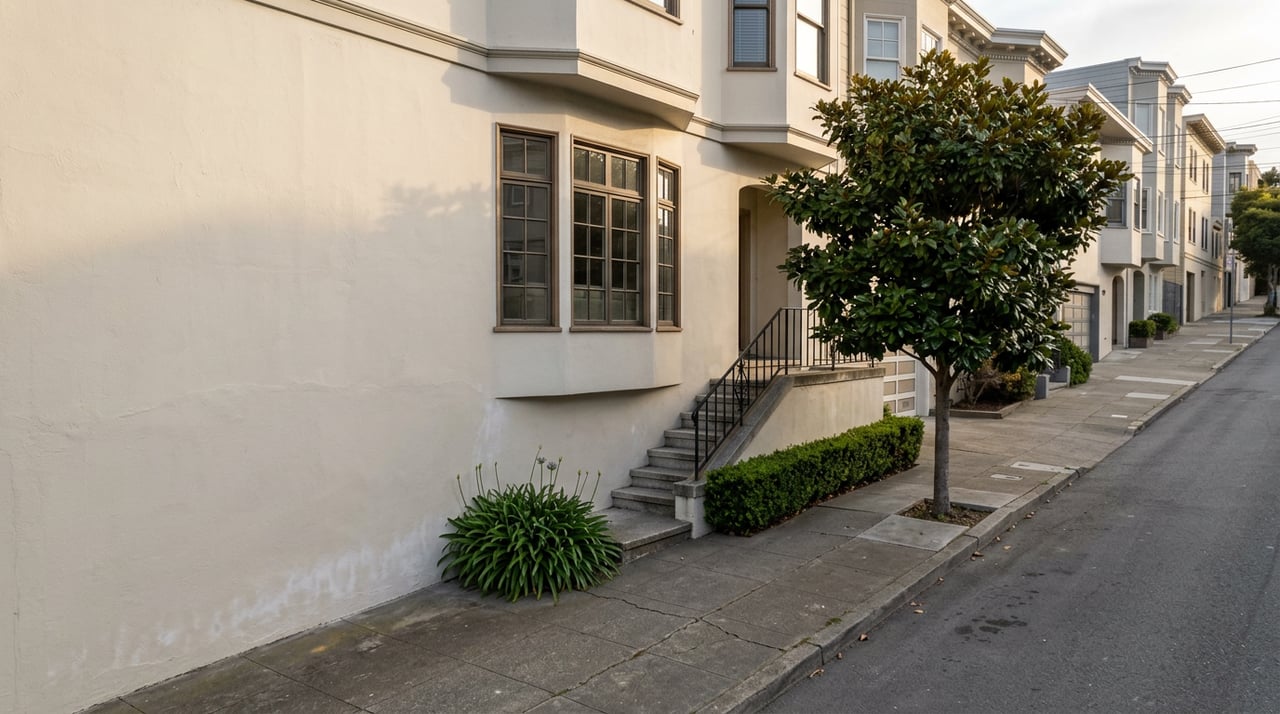
The Marina District offers a rare mix of bay-adjacent living, period-revival architecture, and a highly recognizable San Francisco setting. San Francisco Planning describes the neighborhood as primarily residential, with flats, apartment buildings, single-family dwellings, and commercial corridors along Lombard and Chestnut. That distinct identity helps attract buyers who care deeply about presentation, provenance, and lifestyle.
The market also rewards strong execution. As of April 2026, Redfin reports a Marina District median sale price of $2.599 million, up 10.6% year over year, with homes going pending in about 11 days and selling for roughly 15% above list price. In a setting like that, first impressions matter because buyers are making decisions fast.
Start with condition and documentation
In the Marina, preparation should begin with the home’s condition, prior work, and disclosure package. San Francisco Planning and the California Geological Survey both note the neighborhood’s history of landfill and liquefaction risk, which means many buyers will look beyond finishes and ask practical questions about structure, systems, and maintenance. A polished home is helpful, but a well-documented home often builds even more trust.
Before you focus on cosmetic upgrades, gather the paperwork that supports the property’s story. This may include past repair records, permit information, inspection reports, and any documents related to building improvements. If your home is a condo or part of a common interest development, California’s Department of Real Estate says buyers should receive governing documents, the current budget, estimated reserves, association financial statements, and delinquent assessment information.
California’s Department of Real Estate also explains that the Real Estate Transfer Disclosure Statement covers the property’s physical condition and potential hazards or defects, and that the agent must conduct a visual inspection for readily observable issues. If the building is a qualifying pre-1978 multi-unit soft-story wood-frame structure, San Francisco’s mandatory retrofit program may also be relevant. For many Marina buyers, complete disclosures signal seriousness and reduce uncertainty.
Address obvious objections first
Not every improvement delivers the same return. In most Marina homes, the smartest early spending goes toward visible issues that might distract a buyer or raise questions about upkeep. Small defects can feel larger in a premium market, especially when buyers expect a home to appear move-in ready.
A strong first pass often includes:
- Deep cleaning throughout the home
- Fresh, neutral paint where needed
- Flooring touch-ups or refinishing
- Updated lighting for brighter rooms
- Hardware refreshes in kitchens and baths
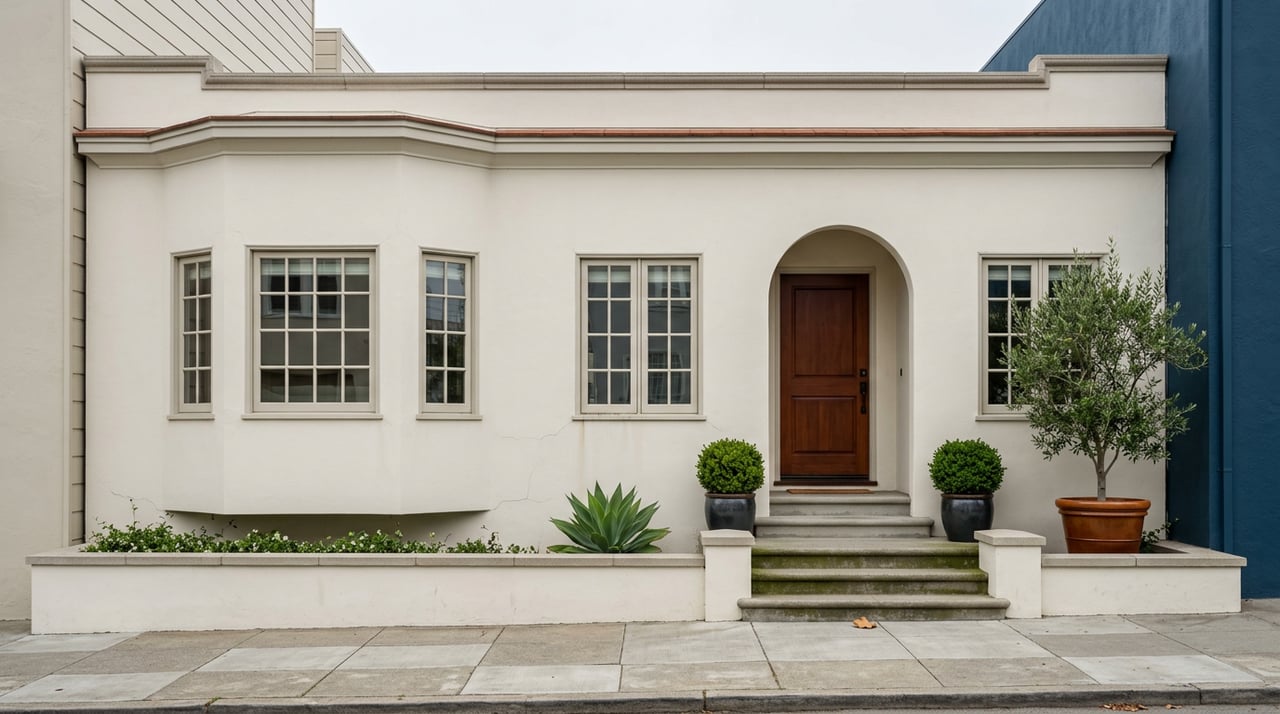
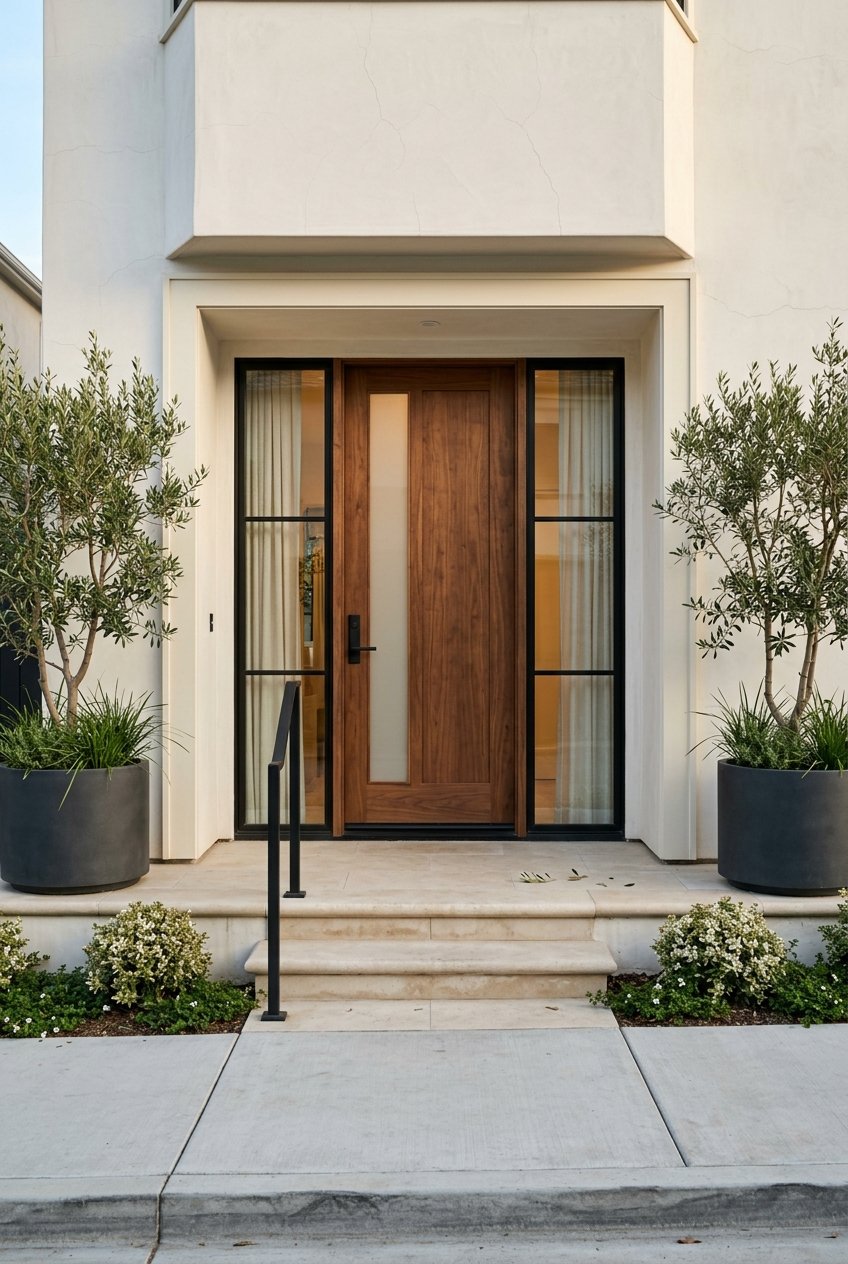
- Landscape or entry cleanup
- Repairs for anything visibly worn, broken, or unfinished
This approach aligns with staging guidance that favors decluttering, visible cleanliness, neutral finishes, and a stronger entry presentation. It also helps preserve your budget for changes that improve buyer confidence, rather than spending heavily on upgrades that reflect highly personal taste.
Preserve Marina character while simplifying the look
Many Marina homes are valued for their architectural character as much as their location. San Francisco Planning describes the area as known for period-revival architecture, and that character can be a real advantage when it is presented with restraint. Buyers often respond best when original elements feel intentional, cared for, and balanced with current expectations.
That usually means keeping the home’s personality while removing visual noise. Rather than layering in bold finishes or highly customized design choices, aim for calm, edited rooms that let the architecture and light speak for themselves. A clean backdrop can make details such as moldings, proportions, windows, and bay-oriented setting feel more elevated.
In practical terms, sellers often benefit from:
- Reducing oversized or excess furniture
- Removing highly personal decor
- Editing bookshelves and surfaces
- Clearing closets so storage feels more generous
- Using neutral textiles and accessories
- Letting natural light become part of the presentation
Focus on the rooms buyers study most
If you are deciding where to spend time and money, start with the spaces buyers tend to remember. According to the National Association of Realtors 2025 staging survey, the rooms that mattered most to buyers were the living room, primary bedroom, and kitchen. Those are often the spaces where value comparisons happen fastest.
For the living room, your goal is openness and ease. Buyers should be able to understand circulation, seating, and scale within seconds. In the primary bedroom, focus on calm, light, and proportion so the room feels restful and generous.
In the kitchen, you do not always need a full renovation to improve the impression. Clean surfaces, updated hardware, fresh paint, improved lighting, and repaired finishes can go a long way. In a Marina home, buyers often appreciate a kitchen that feels current without looking disconnected from the rest of the property.
Use staging to help buyers picture the home
Staging remains one of the clearest ways to improve presentation. The National Association of Realtors found that 83% of buyers’ agents said staging makes it easier for a buyer to visualize the property as a future home. The same survey found that 49% of sellers’ agents reported faster sales, and 29% saw a 1% to 10% increase in value.
For a Marina listing, staging works best when it feels tailored, not theatrical. The goal is not to erase the home’s identity. It is to create visual clarity, soften distractions, and help buyers focus on the home’s scale, light, and livability.
This is also where a concierge-style approach can be useful. Compass Concierge fronts approved home-improvement services with no payment due until closing, with covered categories including staging, flooring, painting, deep cleaning, landscaping, roofing repair, moving and storage, kitchen and bath improvements, and seller-side inspections and evaluations. When used carefully, that kind of support can help you prioritize visible polish and practical defect removal without over-improving.
Highlight resilience without overstating it
Marina buyers are often aware of the neighborhood’s history and location. San Francisco Planning notes the area’s vulnerability to earthquake, flooding, and sea level rise, and the California Geological Survey identifies the Marina’s 1989 Loma Prieta damage as a liquefaction event tied to saturated loose sands and amplified shaking. That does not mean buyers expect perfection, but it does mean they tend to value transparency and evidence of thoughtful stewardship.
If your property has had meaningful repairs, upgrades, or maintenance, organize that information clearly. If there are inspections or reports that help explain the home’s current condition, make them part of the preparation process. In a neighborhood where resilience is part of the conversation, clarity is often more persuasive than broad claims.
Invest in photography before launch
Once the home is prepared, your visual marketing needs to match the quality of the property. The National Association of Realtors reports that photos, physical staging, videos, and virtual tours rank highly with buyers. In a market where many first impressions happen online, imagery is not just marketing support. It is part of the value presentation.
That matters even more in the Marina, where buyers may be drawn in by architecture, natural light, and the neighborhood’s bay-adjacent appeal. Professional photography should show brightness, flow, and detail, while video can help communicate the rhythm of the home. A polished visual package can make the listing feel more credible and compelling before a buyer ever steps inside.
Consider a controlled pre-market strategy
If your home needs a short preparation window, a phased launch may be worth considering. Compass offers pre-market options such as Private Exclusive and Coming Soon, which can help create early demand and pricing insight before a full public debut. Compass also notes that Private Exclusive can generate interest without accruing days on market, while Coming Soon can broaden exposure as the home nears completion.
For Marina sellers, this can be useful when timing matters or when you want to refine the presentation before a wider launch. The key is to make sure the home is moving toward its strongest possible first impression, not simply entering the market early. In a neighborhood where buyers act quickly, timing and readiness should work together.
A simple Marina pre-listing checklist
If you want a practical framework, start here:
- Gather permits, repair records, inspections, and disclosures.
- Review HOA documents if the property is part of a common interest development.
- Repair visible defects and deferred maintenance items.
- Refresh paint, lighting, hardware, and flooring where needed.
- Declutter and reduce furniture to improve scale.
- Stage the living room, primary bedroom, and kitchen with care.
- Complete deep cleaning, including windows and storage areas.
- Photograph and film the home only after preparation is complete.
- Evaluate whether a Private Exclusive or Coming Soon strategy supports your goals.
- Launch with a presentation that feels calm, complete, and credible.
In the Marina, strong results often come from disciplined editing rather than dramatic change. Buyers are paying attention to how a home feels, how it has been maintained, and how clearly its value is communicated. When preparation is done well, your property can meet the market with authority and ease.
If you are thinking about selling and want a tailored plan for your Marina home, Heidi Rossi offers senior-level guidance, curated presentation, and discreet pre-listing stewardship designed for San Francisco’s premium neighborhoods.
FAQs
What should Marina District sellers fix before listing a waterfront-adjacent home?
- Marina District sellers should usually address visible defects first, including worn finishes, broken hardware, lighting issues, paint touch-ups, flooring repairs, and deferred maintenance that could distract buyers or raise concerns about upkeep.
What disclosures matter when selling a Marina District condo?
- For a Marina District condo or common interest development, buyers should receive governing documents, the current budget, estimated reserves, association financial statements, and delinquent assessment information, along with the standard California disclosure package.
Why do Marina District buyers care about property documentation?
- Marina District buyers often pay close attention to documentation because the neighborhood’s history of landfill, liquefaction risk, and waterfront vulnerability makes condition, maintenance, and prior work especially important.
Which rooms matter most when preparing a Marina District home for sale?
- The living room, primary bedroom, and kitchen tend to matter most because staging research shows buyers focus heavily on those spaces when judging comfort, functionality, and value.
Is staging worth it for a Marina District luxury listing?
- Staging can be worthwhile because research shows it helps buyers visualize the home, can support faster sales, and may improve perceived value when the presentation is clean, neutral, and tailored to the property.
Should Marina District sellers renovate before listing?
- Marina District sellers do not always need major renovations before listing, since many homes benefit more from decluttering, cleaning, selective repairs, staging, and a polished visual presentation than from highly customized upgrades.