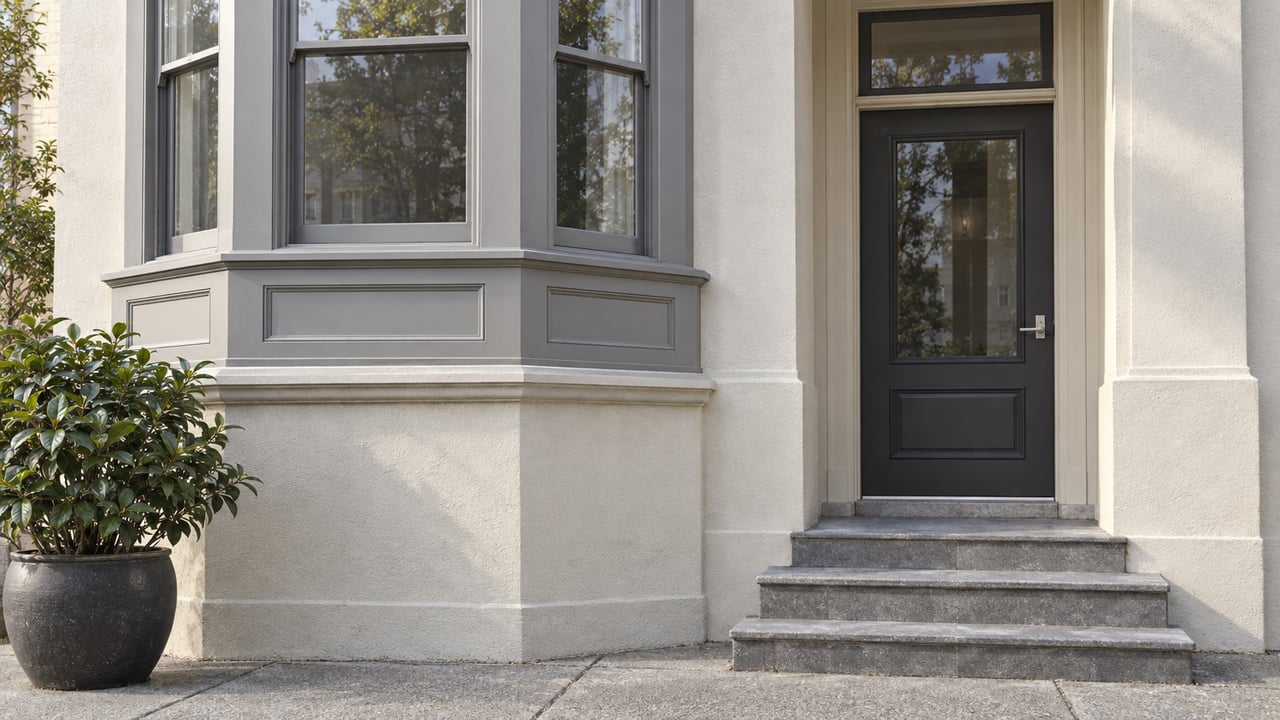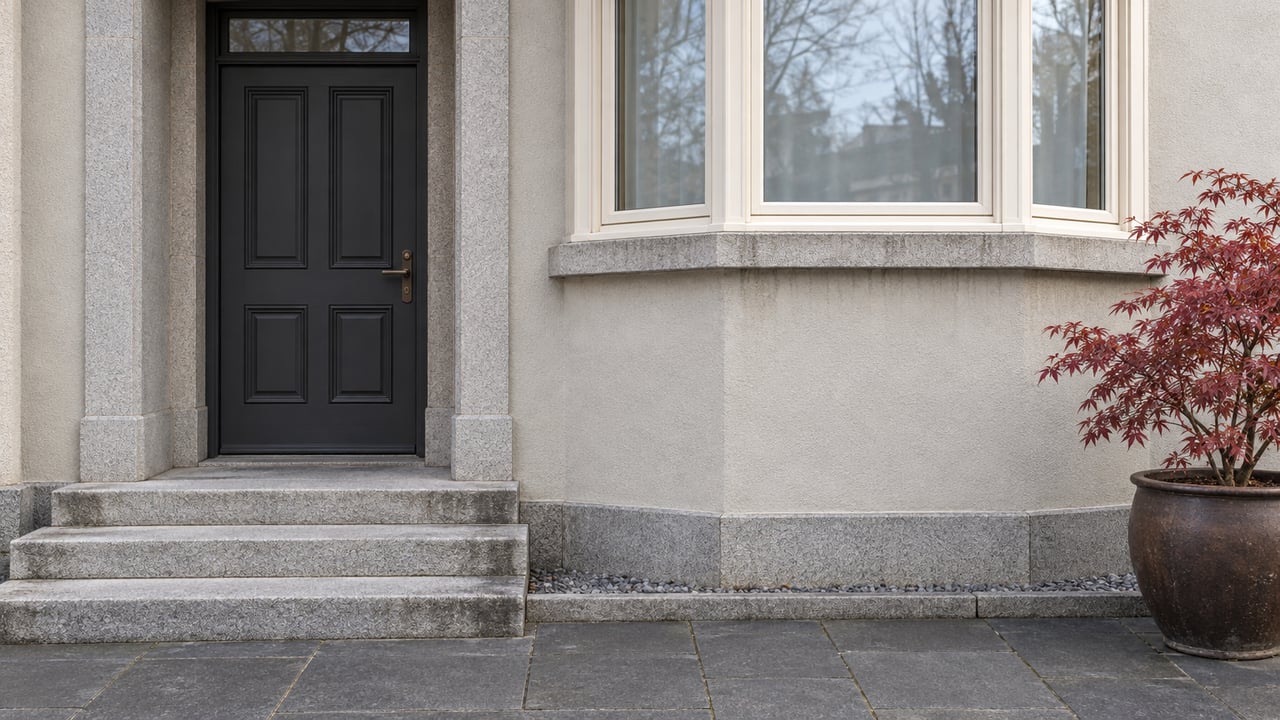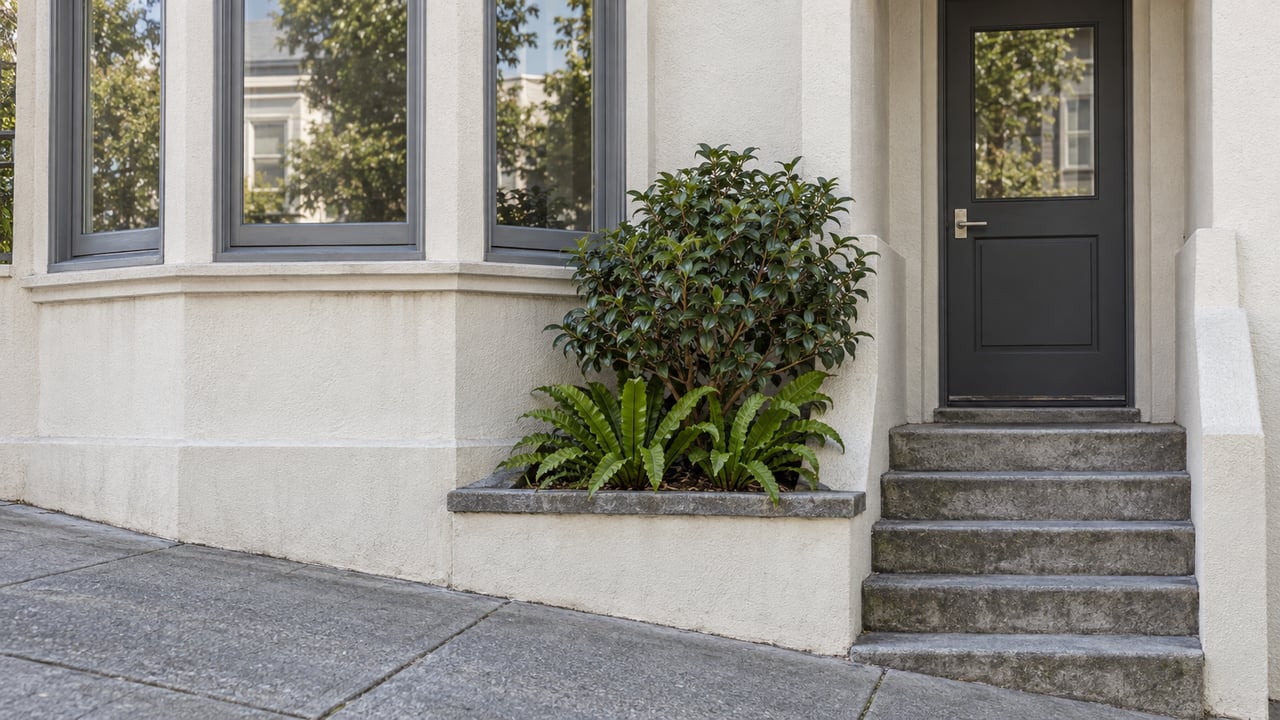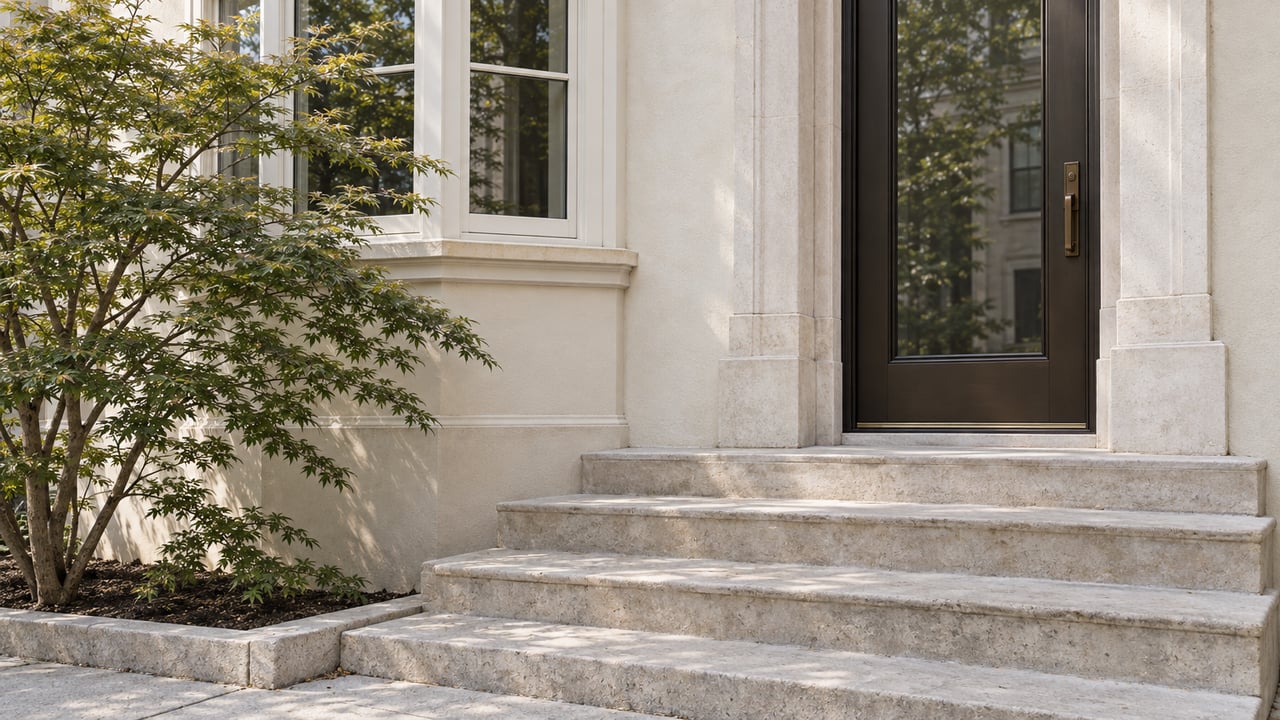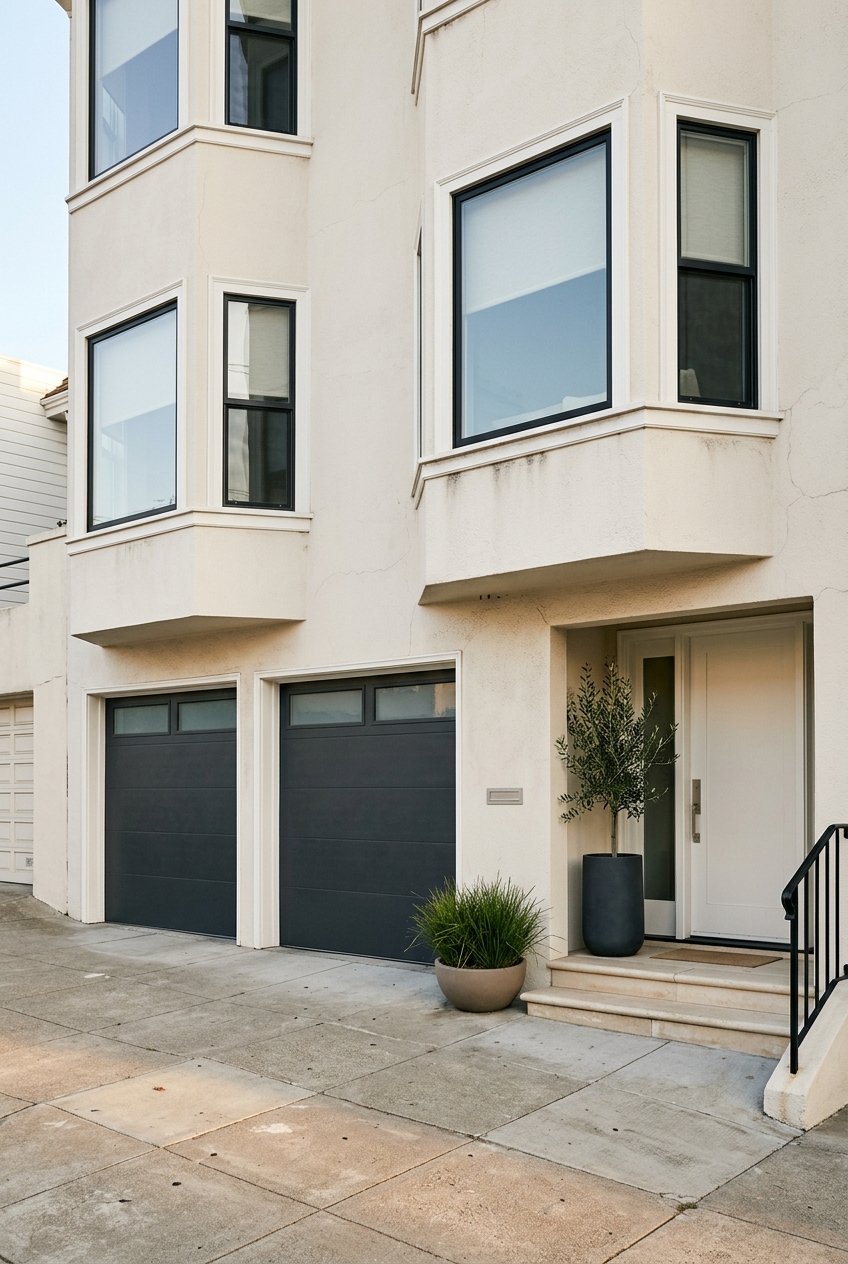
If you are looking at Potrero Hill multi-unit properties, you are probably asking a simple question with a complicated answer: does this neighborhood work better for steady long-term wealth building or for immediate income? In Potrero Hill, the numbers suggest a premium, supply-constrained market where long-term investors may find more appeal in stability, location, and future upside than in headline cash flow. Understanding the housing stock, rent dynamics, and city rules can help you approach the neighborhood with clear expectations. Let’s dive in.
Why Potrero Hill Appeals to Long-Term Investors
Potrero Hill sits within San Francisco’s Showplace Square/Potrero area, where the built environment shifts from historic industrial and warehouse character near the base of the hill to lower-density residential streets higher up. That blend gives the neighborhood a distinct feel, but it also affects how you evaluate access, parking, and daily convenience.
For investors, the housing stock is especially important. SF Planning’s neighborhood profile shows 6,510 housing units in Potrero Hill, with a 52% renter and 48% owner split. That balance points to an established residential market rather than a purely owner-occupied enclave or a highly transient rental pocket.
The structure mix also stands out. About 35% of units are in 2-to-4-unit buildings, 9% are in 5-to-9-unit buildings, 8% are in 10-to-19-unit buildings, and 16% are in buildings with 20 or more units. For a buyer focused on small multifamily assets, that means Potrero Hill offers a meaningful base of the building types many long-term investors prefer.
Potrero Hill Housing Stock Favors Practical Rentals
The neighborhood’s unit mix aligns well with long-term rental demand. According to SF Planning’s profile, 41% of units are two-bedroom homes, and 29% are three- to four-bedroom units. That matters because practical layouts often support longer tenancy and a wider renter pool than neighborhoods dominated by very small units.
Current asking-rent snapshots reinforce that pattern. RentHop reported March 2026 asking rents of about $2,895 for studios, $3,695 for one-bedrooms, $5,700 for two-bedrooms, $6,800 for three-bedrooms, and $21,500 for four-bedrooms. While listing data can move quickly, the spread suggests larger, well-configured units can command a meaningful premium.
For an investor, that can shape acquisition strategy. A well-located duplex, triplex, or fourplex with functional two-bedroom or larger layouts may fit Potrero Hill more naturally than a property that depends on very small unit turnover to perform.
Pricing Is Premium and Inventory Is Tight
There is little ambiguity about Potrero Hill’s price point. Public market trackers vary by methodology, but they all place the neighborhood in a premium band. Zillow’s home value index was $1,276,240 as of March 31, 2026, Redfin reported a March 2026 median sale price of $1,399,000, and Realtor.com showed a February 2026 median home sale price of $1,495,000.
That level of pricing matters because it shapes the investor story. Potrero Hill is not the kind of neighborhood where entry costs are low and cap-rate hunting is easy. It is better understood as a market where scarcity and long-term desirability may support value over time.
Supply also appears limited. Realtor.com reported 19 homes for sale, 11 rentals, a 104% sale-to-list ratio, and 35 median days on market in February 2026. In practical terms, that points to a seller-leaning market where well-positioned assets may attract strong attention.
Rent-to-Price Math Requires Discipline
For long-term investors, Potrero Hill underwriting needs to be realistic. Realtor.com’s February 2026 median rent was $3,703 per month, and using that platform’s median sale and rent figures implies roughly a 3.0% gross annual rent yield before expenses. That is a rough shorthand, not a full investment analysis, but it is useful for setting expectations.
The comparison to nearby neighborhoods is telling. Using the same public data set and the same rough method, implied gross yields were about 5.7% for Mission District, 5.9% for Western SoMa, 5.9% for SoMa, and 7.0% for Mission Bay. Potrero Hill therefore looks less compelling as a pure income play and more compelling as a hold strategy for investors who value neighborhood quality, constrained inventory, and long-range positioning.
This is where discipline matters. If you buy in Potrero Hill, you should be careful not to force an income story that the neighborhood does not naturally support.
Tenant Demand Looks Stable, Not Fleeting
Potrero Hill’s official neighborhood profile points to a relatively grounded renter base. The data shows 52% family households, 28% households with children, 29% single-person households, and a median age of 37.5. It also reports that 78% of employed residents work in managerial or professional occupations, with a median household income of $155,083.
Taken together, those figures suggest a market with the capacity to support relatively high rents. They also point to a neighborhood that may attract tenants looking for a more settled residential experience rather than only short-term convenience.
That profile can be useful if you are deciding between Potrero Hill and a neighborhood with heavier turnover. A mixed base of households and practical unit formats often supports a steadier leasing environment over time.
Parking and Access Can Affect Performance
In Potrero Hill, parking should not be treated as a minor detail. SF Planning notes that the area is less transit-accessible than SoMa, that steep grades can make walking more difficult in some parts of the neighborhood, and that parking management is a major local issue. Many homes rely on garages, driveways, and residential permit parking.
Commute data adds more context. The neighborhood profile shows 46% of workers drove alone, 27% used transit, 8% biked, and 4% walked. That suggests convenience features such as legal off-street parking, usable garage space, and storage may carry real weight in both leasing and resale.
For a long-term investor, this can be a meaningful differentiator. Two otherwise similar multi-unit properties may perform differently if one offers straightforward parking access and the other does not.
Rent Control Deserves Careful Review
San Francisco’s rental rules are central to underwriting any multifamily purchase in Potrero Hill. SF.gov states that many residential units built on or before June 13, 1979 have both rent control and eviction protection. Units built after that date are generally exempt from rent-increase limits, though they still may have eviction protections.
SF.gov also states that the allowable rent increase for covered units is 1.6% for March 1, 2026 through February 28, 2027. In addition, landlords must obtain a rent increase license before imposing annual allowable or banked increases.
This is one of the clearest reasons Potrero Hill tends to fit patient investors better than aggressive income seekers. If a property includes covered units, future rent growth may be more measured than a simple pro forma would suggest.
Building Age and Capital Planning Matter
The median structure year in Potrero Hill is 1977, which places much of the neighborhood’s housing stock in an age range where condition, systems, and compliance deserve close review. In a market with many 2-to-4-unit properties, opportunities may come less from rapid repositioning and more from thoughtful upgrades, improved presentation, and better use of existing space.
That might include improvements to condition, storage, garage functionality, or operational cleanup. In some cases, these details can matter more than cosmetic change alone because they directly affect usability in daily life.
Older multifamily buildings may also require a closer look at seismic obligations. San Francisco has mandatory Soft Story seismic upgrade requirements for some wood-frame multifamily buildings, so capital expenditure planning should be part of due diligence before closing.
Potrero HOPE SF Adds Long-Term Context
The neighborhood is not static. SF Planning says the Potrero HOPE SF project at the southern Potrero Terrace and Annex site is expected to include about 1,700 residential units, including 619 replacement affordable units, roughly 200 additional affordable units, and about 800 market-rate units, along with new streets, open space, and neighborhood-serving retail and community space.
For long-hold buyers, that adds another layer to the story. New housing and public improvements can expand amenity depth and reshape parts of the submarket over time.
That does not change today’s underwriting realities, but it does reinforce the idea that Potrero Hill should be viewed through a longer lens. Investors who understand neighborhood evolution often make better decisions than those focused only on the next 12 months.
What a Smart Potrero Hill Strategy Looks Like
For many buyers, the strongest Potrero Hill strategy is simple. Focus on quality over scale, underwrite conservatively, and pay close attention to the features that matter most in this specific neighborhood.
A practical checklist might include:
- Prioritize 2-to-4-unit properties with efficient layouts
- Review exact building age and rent-control status
- Confirm current tenancy, rental history, and allowable increases
- Evaluate garage, parking, storage, and access carefully
- Budget for building systems and possible seismic work
- Compare the asset to nearby neighborhoods if cash flow is your top priority
- Underwrite for long-term hold rather than fast rent resets
In other words, Potrero Hill tends to reward patience, not shortcuts. Investors who buy with a clear plan and realistic assumptions may be better positioned than those chasing immediate yield.
The Bottom Line for Long-Term Investors
Potrero Hill stands out as a stable, premium multifamily submarket where the appeal is tied more to long-term positioning than to high near-term income. The neighborhood offers a meaningful concentration of smaller multi-unit buildings, practical rental layouts, and limited supply, but it also comes with high pricing, careful rent-rule analysis, and building-level due diligence.
If your goal is stronger cash flow on day one, nearby neighborhoods may look more attractive on a simple yield basis. If your goal is to hold a well-located San Francisco asset in a supply-constrained neighborhood with enduring appeal, Potrero Hill deserves serious attention.
For a discreet, well-informed conversation about evaluating a Potrero Hill multi-unit opportunity, connect with Heidi Rossi, whose San Francisco market experience and investor-focused guidance can help you assess both the numbers and the nuance.
FAQs
What makes Potrero Hill multi-unit properties attractive for long-term investors?
- Potrero Hill offers a meaningful share of 2-to-4-unit buildings, practical two-bedroom and larger unit mixes, limited supply, and a stable residential profile that may appeal more to long-term holders than to short-term yield seekers.
Are Potrero Hill rental yields high compared with nearby San Francisco neighborhoods?
- Based on public median sale and rent figures cited in the research, Potrero Hill implies roughly a 3.0% gross annual rent yield, which is lower than the rough implied yields for Mission District, Western SoMa, SoMa, and Mission Bay.
How important is parking for Potrero Hill investment property performance?
- Parking can be very important because SF Planning notes neighborhood parking constraints, many homes rely on garages or driveways, and commute data shows a sizable share of residents drive alone.
Do rent-control rules affect Potrero Hill multifamily investments?
- Yes. SF.gov states that many residential units built on or before June 13, 1979 have rent control and eviction protection, so investors should review each building’s status carefully during due diligence.
What should buyers review before purchasing an older Potrero Hill multi-unit building?
- Buyers should closely review building age, condition, rent-control status, tenancy, capital improvement needs, garage and storage usability, and whether any Soft Story seismic upgrade obligations may apply.