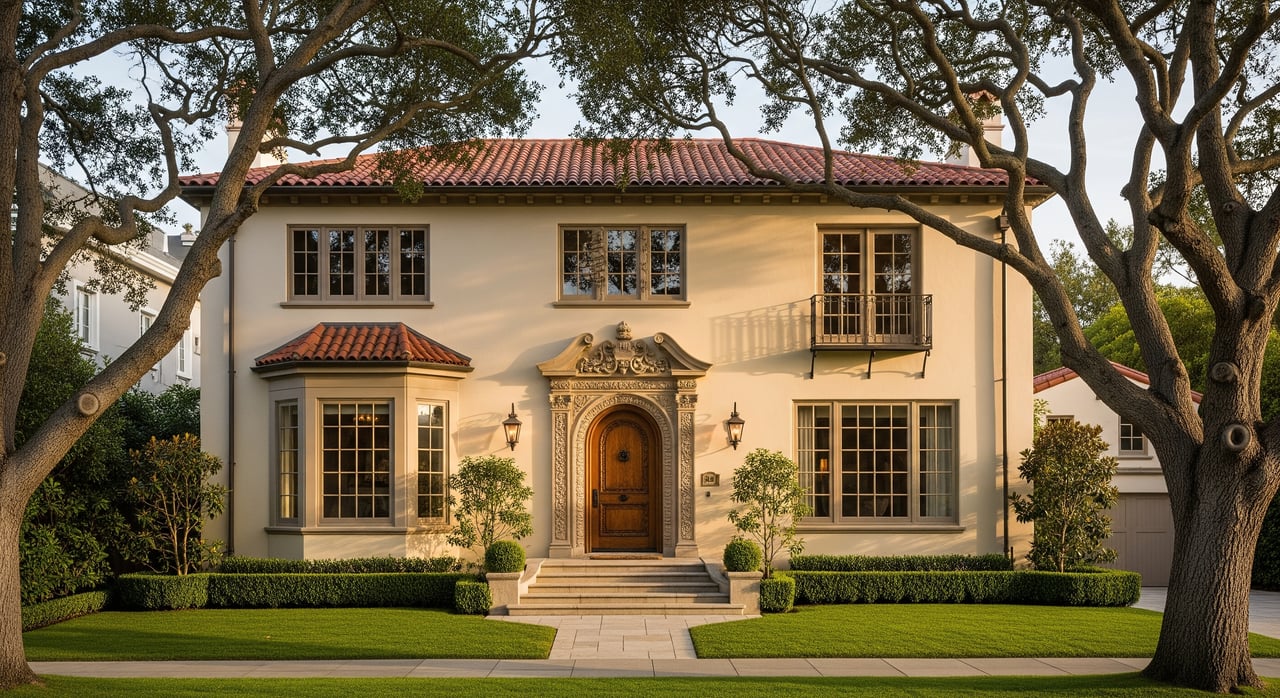
Love the storybook streets of St. Francis Wood but not sure how to tell a Mediterranean from a Tudor, or what those choices mean for daily living and long‑term value? You are not alone. When you understand the planning behind the neighborhood and the cues each style shows, you can shop with confidence. This primer gives you simple identifiers, how each style tends to live inside, what signals add value, and the practical steps to verify provenance and permits. Let’s dive in.
Why St. Francis Wood looks different
St. Francis Wood was planned as a garden suburb with curving streets, generous setbacks and mature street trees. That layout creates wider visual spacing and larger front yards than many San Francisco neighborhoods. Because homes were built on relatively substantial lots as single‑family residences, the original architecture reads cleanly and has stayed distinct.
Many houses are 2 to 3 stories with full attics or basements. Floor plans often mix formal rooms with separate service areas, which feels more suburban than the city’s typical rowhouses. A history of deed controls, a homeowners’ association and local preservation interest have also prioritized exterior appearance and continuity of style. That background can affect review procedures for exterior changes, so it is smart to check rules early.
How to read a facade from the curb
You can usually spot a dominant style quickly if you look at a few key elements together:
- Roof shape and pitch
- Window type and pattern
- Entries and arches versus straight openings
- Materials like stucco, brick, stone or wood
- Ornament such as half‑timbering, ironwork or tile
Many homes are hybrids or have later additions. Use multiple cues to decide what style leads, then verify details and history during inspections and permit review.
Mediterranean and Spanish Colonial
What you see
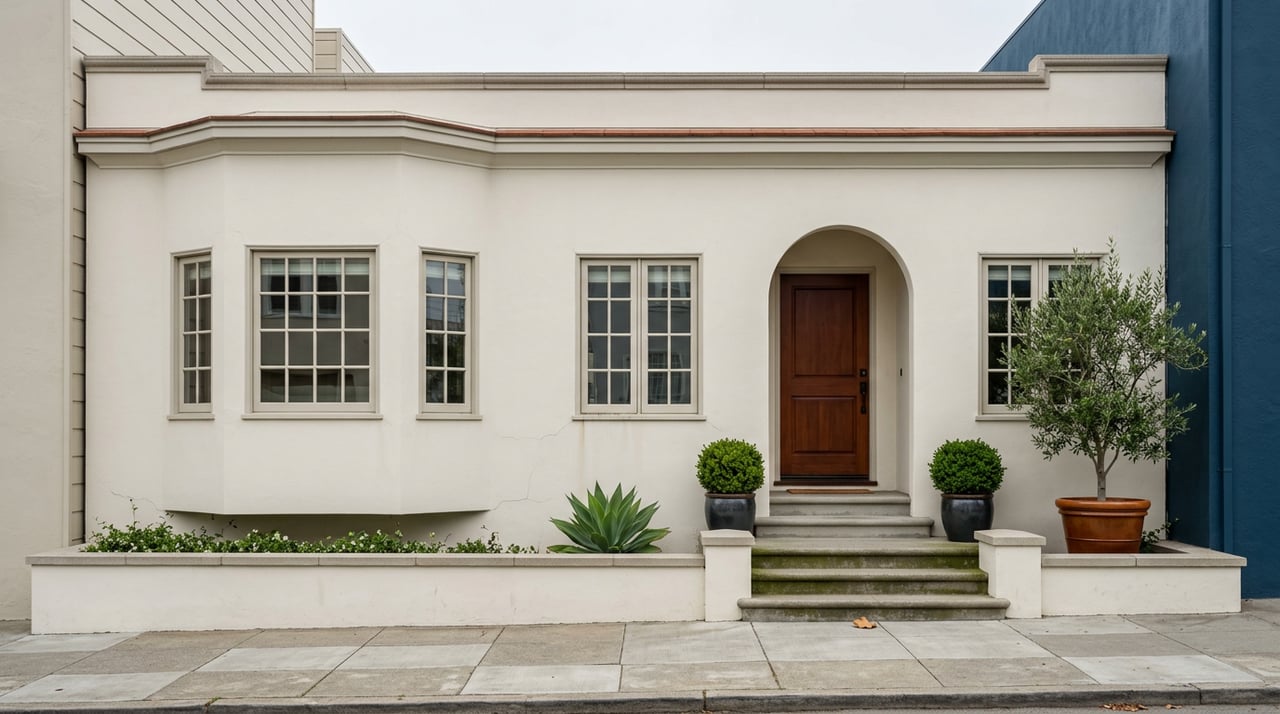
Smooth stucco walls, a low‑pitched red or clay tile roof and arched openings are common cues. You may notice wrought‑iron grilles or balcony rails and decorative ceramic tile at stairs or the entry. Courtyards or enclosed porches often create a semi‑private outdoor room near the front.
How it lives
Plans tend to be asymmetrical. Inside, you often enter to a hall that connects formal living and dining rooms. Original kitchens were modest, with bedrooms upstairs. Many homes have since opened a wall or two, but well‑preserved examples keep the arched passages and plaster details that give the style its warmth.
What buyers value
Intact stucco in good condition, original decorative tile and well‑maintained clay tile roofs are premium features. Arched entries and original casement windows add character. Tile roofs are durable but require proper underlayment and skilled maintenance, which buyers appreciate when records are available.
Watch‑outs
Improper stucco repairs can trap moisture. Tile roof work is a specialty trade and can be costly. Verify roof condition, underlayment age and any prior repairs, and look for permits that document professional maintenance.
Tudor Revival
What you see
Steep front‑facing gables and decorative half‑timbering with stucco infill are classic Tudor cues. Windows are tall and narrow, often multi‑pane or leaded glass. Chimneys stand out and may be brick or stone. Some facades mix roughcast stucco with brick or stone at the base.
How it lives
Tudor interiors often feel cozy and vertical. Rooms are compartmentalized, hallways angle, and fireplaces create focal points. Bedrooms are typically upstairs and reached by a narrow stair. Original kitchens were separate and smaller than today’s standards.
What buyers value
Original leaded or diamond‑pane glass, intact half‑timber details, masonry chimneys and rich interior woodwork are high‑value features. Thoughtful updates that keep the timber pattern and window proportions tend to command a premium feel.
Watch‑outs
Replacing original windows with mismatched styles can hurt both appearance and value. Masonry chimneys may need seismic bracing. If rooms feel too compartmentalized for your lifestyle, plan updates that respect the gables and timbering while improving flow.
French Revival
What you see
Look for a steep hipped or flared roof, sometimes with petite dormers. Facades may be symmetrical or slightly off‑center, with arched or segmental arched windows and restrained detailing. Stucco and brick are common, and you may see corner quoins or cut‑stone touches.
How it lives
Interiors range from formal symmetry to modest asymmetry, with a central or side hall and formal living and dining rooms. Bedrooms are upstairs. Spaces tend to be refined and somewhat compartmentalized, often with plaster walls and well‑scaled moldings.
What buyers value
The sculpted roofline, original dormers and quality masonry read as elegant and enduring. Original plaster, trim and multi‑pane windows support the “European” character many buyers seek.
Watch‑outs
Steep roofs can be expensive to repair or replace, especially if slate was original. Confirm roof materials, age and any replacements. Preserve window proportions and dormer details during updates to protect curb appeal.
Classic Edwardian
What you see
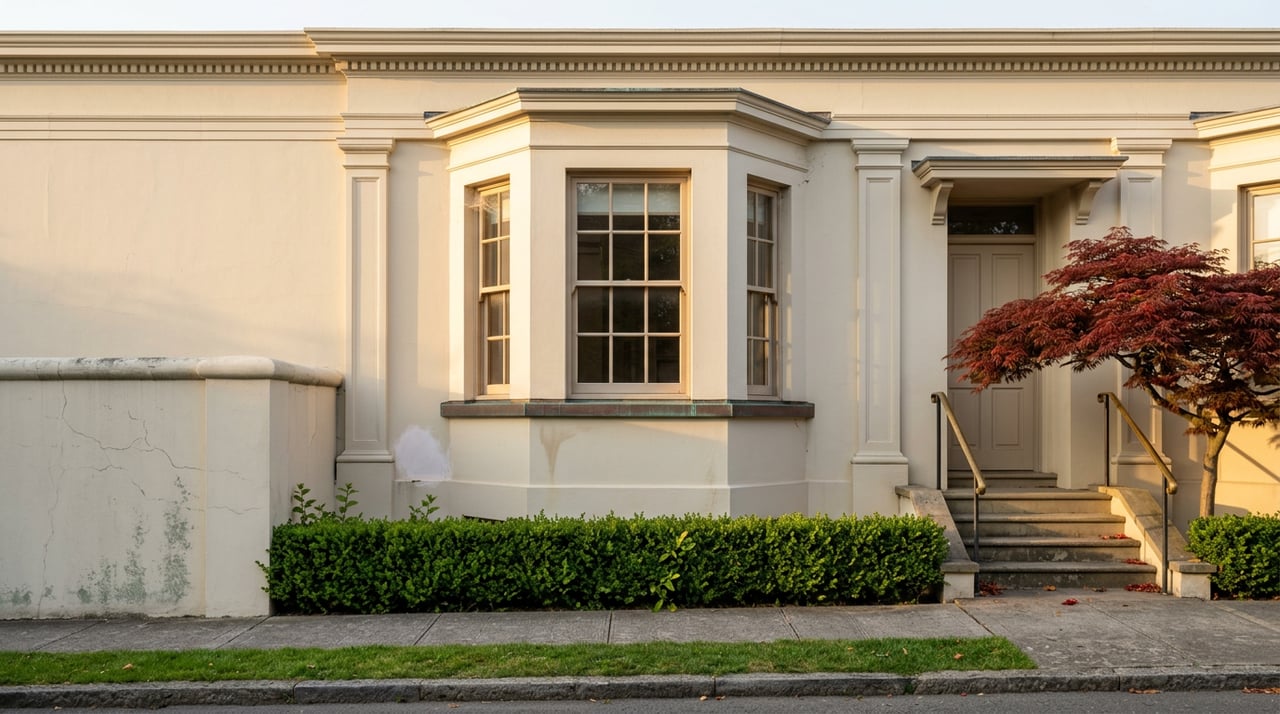
In San Francisco, Edwardian style uses a restrained classical vocabulary. Expect simpler ornament than Victorian homes, with boxier massing, modest cornices, dentils or columned porches and common bay windows. Materials are typically wood siding or stucco over wood frame.
How it lives
Plans are formal yet efficient. You often get a living room, separate dining room and straightforward circulation, with higher ceilings than mid‑century homes. Original layouts may include utility spaces at the rear or in the basement.
What buyers value
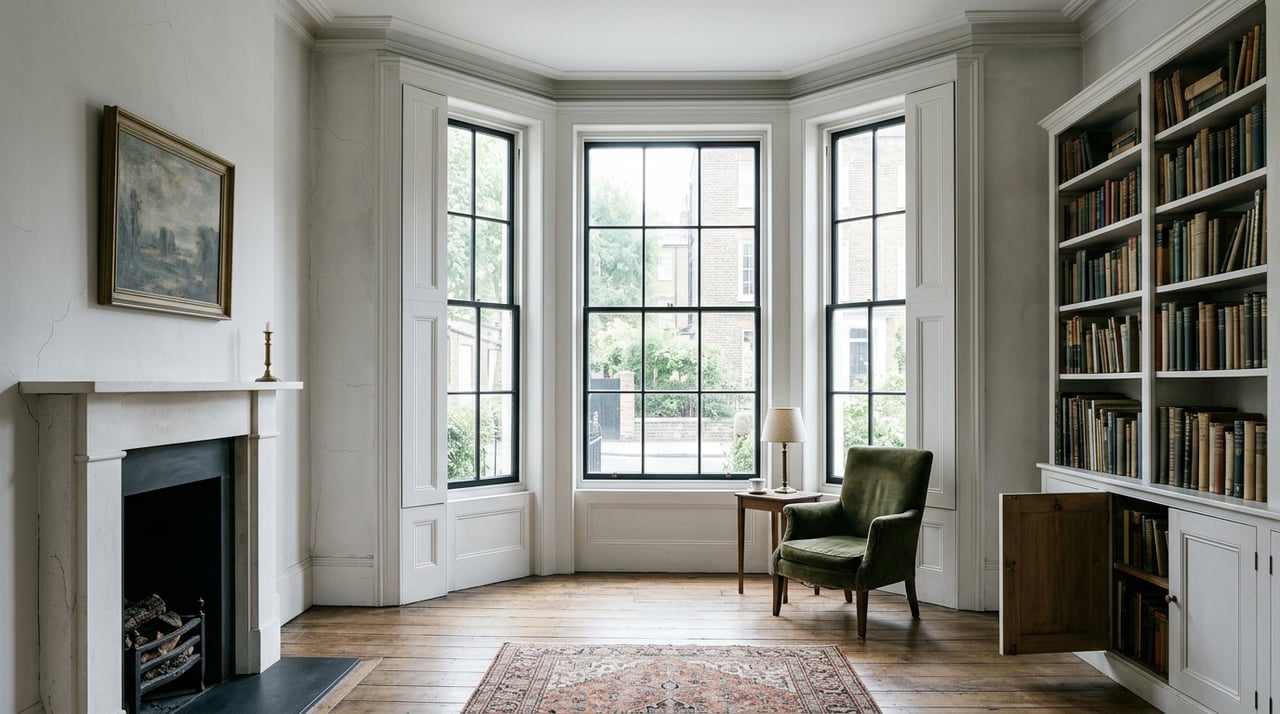
Intact cornices, moldings, original woodwork and well‑proportioned rooms are prized. Edwardian plans also adapt well to tasteful modernization, which makes the style versatile for both preservation and comfort.
Watch‑outs
Non‑sympathetic window replacements or the removal of original doors, mantels or trim can reduce appeal. Look for permitted updates that respect proportions and restore missing details where possible.
Provenance, permits and preservation
Listing descriptions sometimes label styles loosely. If provenance matters to you, request building permits, any original drawings, title history and any historic survey materials. The city’s historic resources inventory and local preservation groups can be useful references.
Parts of St. Francis Wood have historic‑district attention and an active homeowner association. Exterior alterations may require permits and, in some cases, review by local boards or committees. Not every property is individually landmarked, so verify the status and any CC&Rs before planning changes.
Seismic safety is a key technical consideration in early 20th‑century wood‑frame homes. Ask about foundation bolting, cripple‑wall bracing and chimney bracing. Many homes have had electrical, plumbing and HVAC updates. Verified, permitted work reduces risk and improves comfort.
California supports ADU development, and San Francisco has its own process for accessory units. Adding an ADU or expanding a footprint must comply with zoning, structural and any historic‑district rules. It can add utility and value, but it also adds permitting time and cost.
Expect different maintenance profiles by material. Clay tile and slate roofs often have higher repair costs. Stucco and wood siding each need careful moisture management in San Francisco’s coastal climate. Older finishes can hide rot or insect damage, so thorough inspections are essential.
Value signals to watch
The following features often correlate with stronger buyer demand and pricing strength in St. Francis Wood:
- Authentic period details such as original millwork, leaded or stained glass, mantels and built‑ins
- High‑quality exterior materials in sound condition, including clay tile roofs with maintained underlayment and intact stucco or masonry chimneys
- Lot size and setting, including deeper setbacks, larger rear yards and established tree‑lined blocks
- Thoughtful modern updates that preserve character, such as sympathetic kitchen and bath work, with seismic and mechanical upgrades completed under permit
- Off‑street parking or a garage, and any permitted ADU or legal conversion
- Opened living areas that retain primary moldings, casings and archways
Proceed with caution if you see:
- Non‑sympathetic alterations that removed defining features, such as window replacements that drop original muntin patterns
- Deferred maintenance, including roof leaks, stucco failure or signs of rot and termites
- Original kitchens and limited baths where reconfiguration would require structural work that compromises period features
- Properties with strict controls that limit desired remodels if your goal is extensive modernization
Practical buyer checklist
Use this quick framework to translate architectural style into smart due diligence:
Pre‑offer research
- Read the listing for style, build year and notes on original features or remodels.
- Ask the seller or listing agent for permit history, any architectural plans, historic surveys, HOA or CC&R documents and evidence of seismic or systems upgrades.
- Check whether any designation or district rules affect exterior changes.
Inspections and specialists
- General home inspection that includes roof, attic, foundation, visible chimney and drainage
- Historic‑building consultant or preservation‑savvy architect if provenance or intact details are priorities
- Structural engineer with seismic retrofit experience for foundations and cripple walls
- Roofing or masonry contractor skilled in tile, slate and chimney work for maintenance cost estimates
- Pest and termite inspection with attention to concealed framing and under‑floor areas
Questions to ask
- What is the build year and have there been additions? Are plans and permits available?
- When were windows, roof, electrical and plumbing last updated, and were permits obtained?
- Is the property in a historic district or otherwise subject to exterior review? What HOA rules apply?
- Has the house been seismically upgraded? Are there permits or reports to support the work?
Balancing character and convenience
Shoppers in St. Francis Wood often choose between two desirable paths. Some value pristine period character and are willing to invest in careful maintenance or restorative updates. Others prefer homes that already opened key walls and modernized kitchens and baths in a sympathetic way.
You can also have both if work is planned thoughtfully. Insulation, efficient HVAC and electrical improvements blend well with preservation when executed by the right team. The best outcomes protect the elements that define the style while improving comfort and function for today.
If you want seasoned guidance on style, value and process, connect with a local expert who understands both the neighborhood’s heritage and today’s expectations. For a private, hands‑on approach from first tour to closing, reach out to Heidi Rossi.
FAQs
What makes St. Francis Wood architecture stand out for buyers?
- Curvilinear streets, larger setbacks and single‑family lots allow styles like Mediterranean, Tudor, French Revival and Edwardian to read clearly and remain intact.
How can I tell a Mediterranean home from a Tudor from the curb?
- Mediterranean homes show smooth stucco, low‑pitched clay tile roofs and arched openings; Tudors have steep gables, half‑timbering and tall narrow multi‑pane windows.
Are clay tile or slate roofs costly to maintain or insure in this area?
- Tile and slate are durable but often cost more to repair; plan for skilled contractors and verify roof condition, underlayment age and maintenance records.
Do I need special approvals for exterior changes in St. Francis Wood?
- Exterior work typically requires permits and, in some cases, review by local boards or HOA committees, especially where preservation interest applies.
Can I add an ADU to a St. Francis Wood property?
- California supports ADUs and San Francisco has a permitting process; you must comply with zoning, structural rules and any historic or HOA requirements.
What inspections are essential for early 20th‑century homes here?
- Order a general home, pest, roof and chimney review, and consider a structural engineer for seismic needs plus a preservation‑savvy consultant for historic fabric.