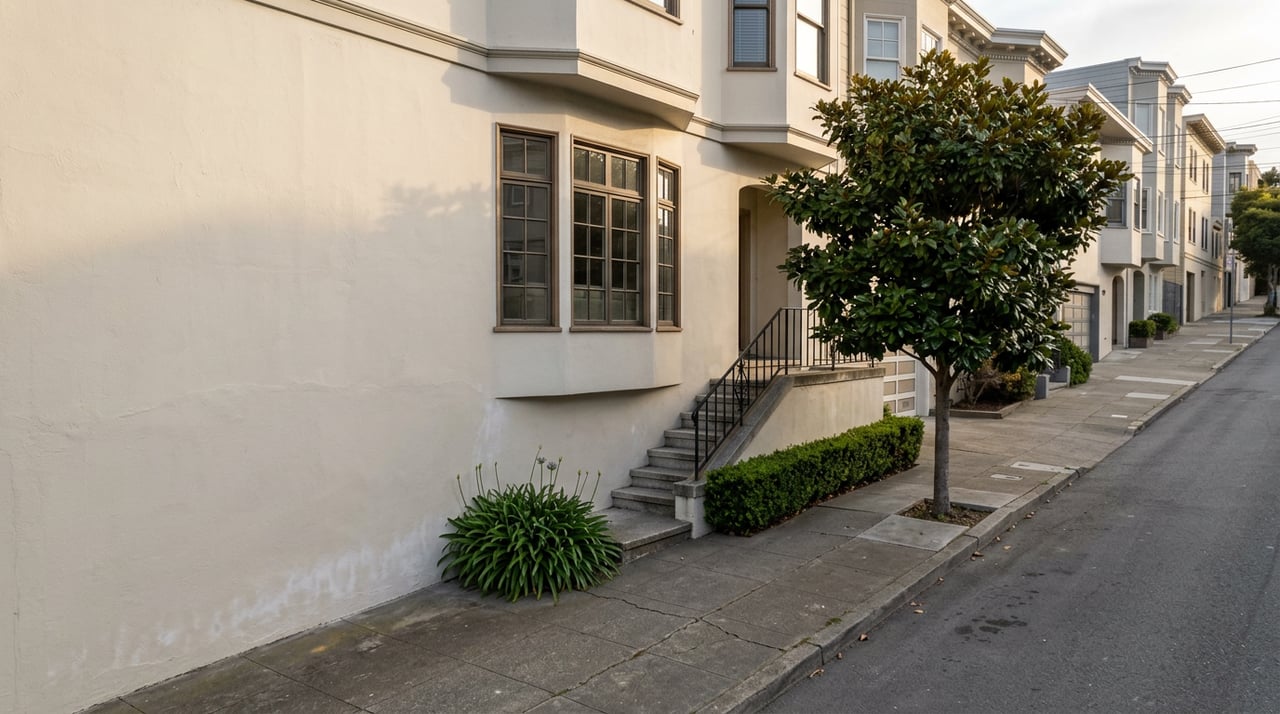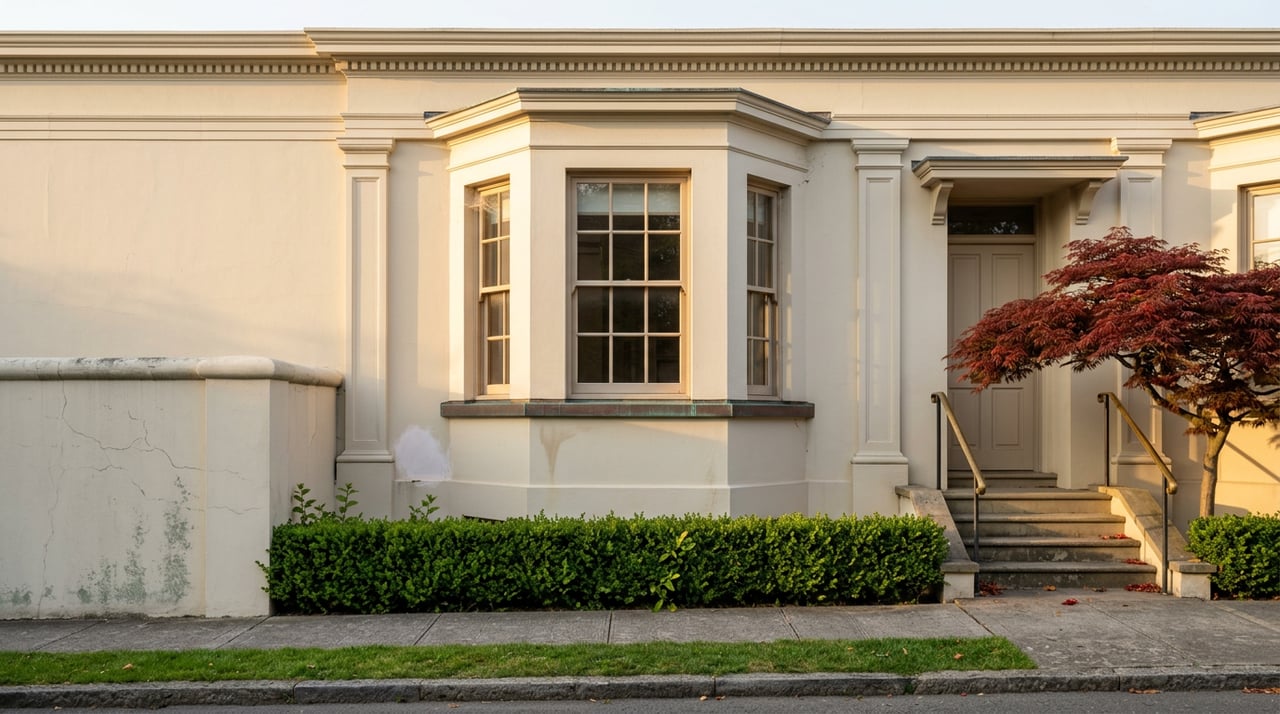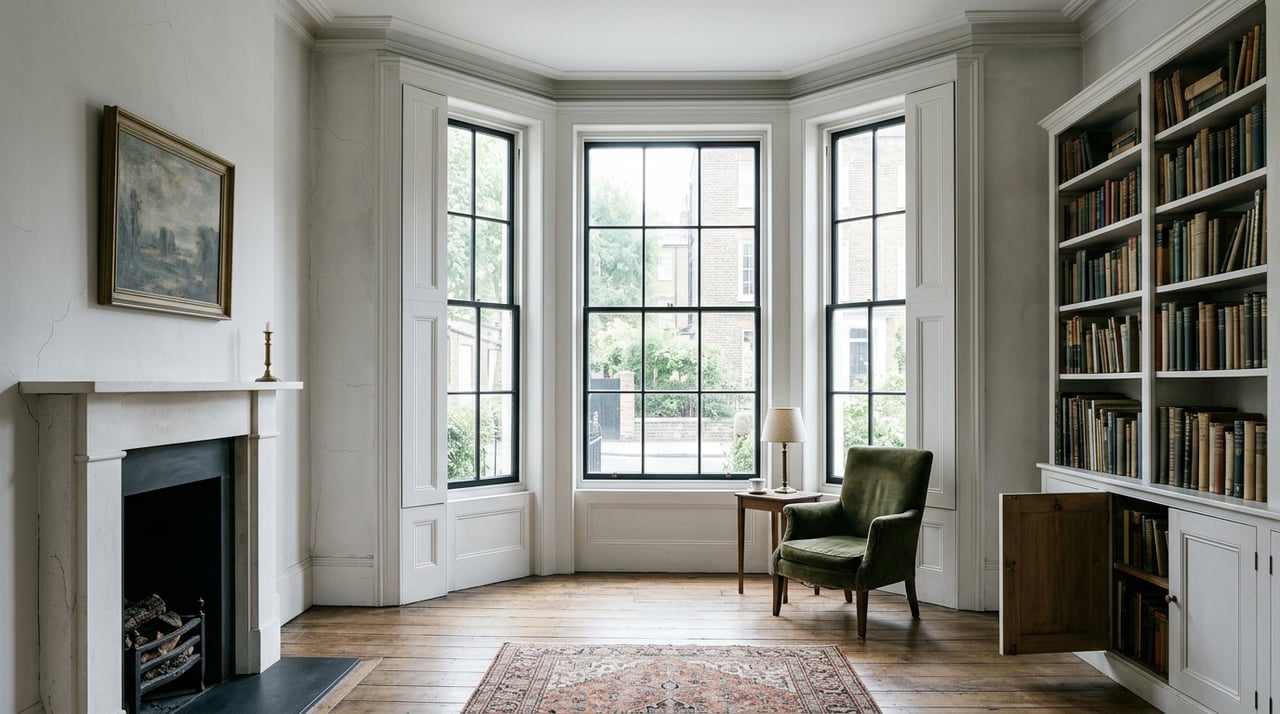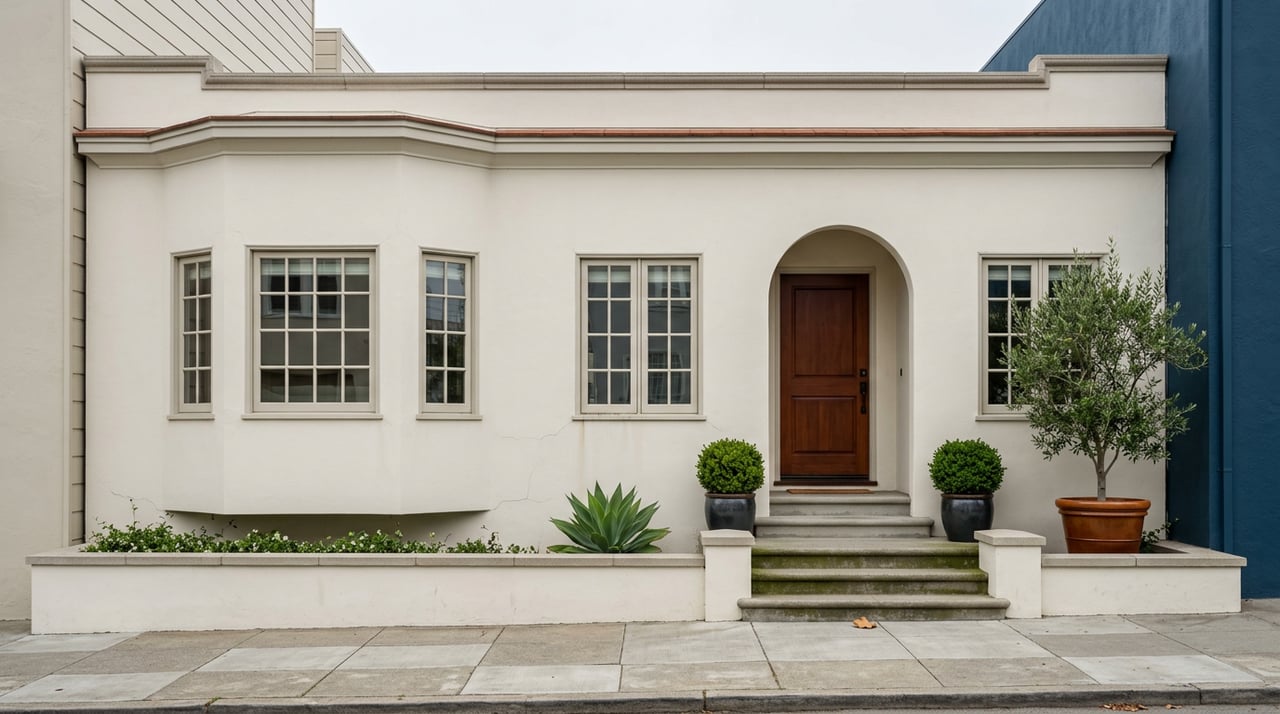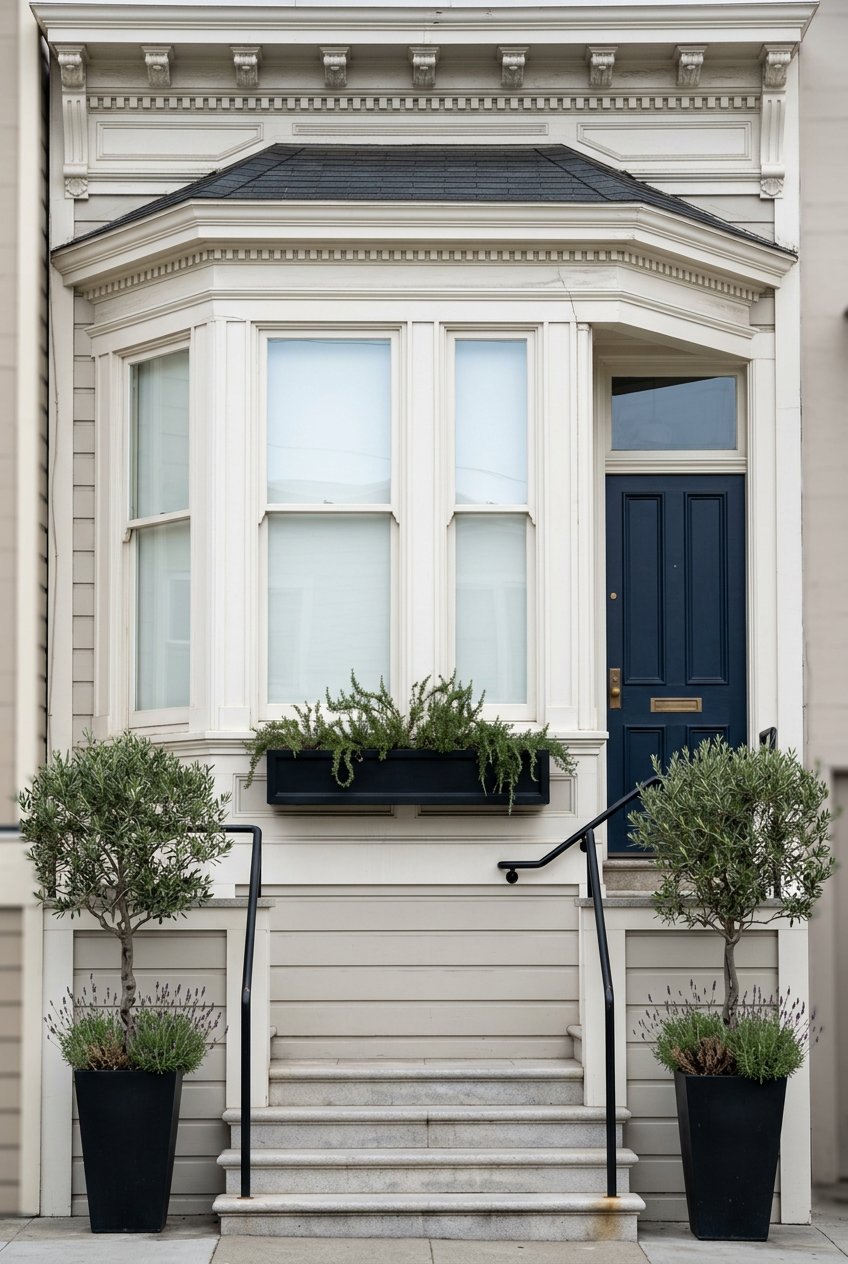
What makes Russian Hill homes feel so unmistakably San Francisco? Part of it is the steep, view-studded setting. Part of it is the mix of ornate Victorians, cleaner Edwardians and glassy moderns tucked onto tight lots. If you are weighing a purchase or preparing to sell, understanding how style, floor plan and light work together can help you read listings more clearly and make confident decisions. In this guide, you will learn what to look for on a walk or tour, how architectural choices affect livability and value, and which due‑diligence steps matter most in this hilltop neighborhood. Let’s dive in.
Russian Hill’s setting and why it matters
Russian Hill is a compact, steep hilltop north of Nob Hill and south of Fisherman’s Wharf. Short block faces, quick grade changes and several stair streets shape how homes sit, how they capture light and which rooms can claim a view. This topography creates both opportunity and constraint for floor plans and additions. For a quick orientation to the neighborhood’s terrain and context, see the overview of Russian Hill’s setting in the city’s north side on Wikipedia’s Russian Hill page.
Historic pockets and preservation context
Russian Hill includes small National Register and landmark districts that preserve late‑19th and early‑20th century streetscapes. The Russian Hill–Macondray Lane District and the Paris Block and Vallejo Street Crest districts are notable, as are individual landmarks like the Feusier Octagon House. These designations help protect facades, setbacks and the rhythm of the street, which is part of the area’s charm. You can see the federal documentation for these districts and landmarks in the National Park Service listing.
Buying or selling near these enclaves often comes with heightened attention to exterior alterations. Interiors are not automatically “frozen,” but exterior changes may be reviewed to preserve the character of the street.
The local palette: styles you will see
Victorian rowhouses and flats
Victorians are common across Russian Hill. You will recognize them by projecting bay windows, ornate cornices and detailed front entries. Inside, you often find high ceilings, formal parlors and decorative millwork. For a concise visual primer, see this overview of Victorian house characteristics.
What that means for you: Victorian layouts tend to be narrow and deep with stacked rooms. The front “double parlor” signals a more formal plan and generous ceiling height. Bay windows help pull daylight into deeper rooms and frame street or partial view moments.
Edwardian updates after 1906
Edwardians followed the rebuilding era after 1906 and are widespread in San Francisco, including Russian Hill. Ornament is simplified compared to high‑Victorian “gingerbread,” and interiors often feel brighter with more straightforward circulation and better‑integrated kitchens and dining. The overall effect reads as cleaner and slightly more daylight‑oriented. For context, explore this guide to Edwardian homes and features.
What that means for you: If you want period charm with a touch more openness and usability in the entertaining level, Edwardians often strike that balance. You will still see bay windows and classic proportions, but with fewer highly ornate details.
Mid‑century and contemporary view homes
Later infill and bespoke modern houses lean into the hill’s views. Expect larger panes of glass, post‑and‑beam structure, split levels or elevators on steep lots, and roof decks or terraces that serve as primary outdoor rooms. Many recent projects use multi‑slide doors and stepped floor plates to maximize light and panorama. You can see these strategies in action in case studies of modern openings and roof decks highlighted by architectural features that prioritize light and view.
What that means for you: These homes trade formal parlors for continuous living spaces oriented to the Bay, the bridges or the skyline. Roof decks often substitute for ground‑level yards and become everyday living space when wind and sun exposure are well managed.
How architecture shapes light and livability
Light is a major driver of how homes feel on the hill. In historic homes, projecting bays and high ceilings bring daylight deeper into long floor plates. In newer builds, continuous glazing, clerestory windows and roof apertures push even more natural light inside. Good daylighting reduces the need for electric light and improves comfort when glare and heat are controlled. For the underlying principles, the Whole Building Design Guide on daylighting offers clear explanations.
What to watch for on tours:
- The orientation and depth of bay windows, not just their presence.
- Ceiling height changes that help “float” light through rooms.
- Light wells, skylights or stair halls that act as vertical light chimneys.
- Roof decks or upper terraces that pair with large openings on the main living level.
Reading listing language like an insider
Certain phrases give you quick clues about layout, light and potential view. Here is a simple glossary to help you scan effectively.
- “Parlor” or “double parlor”: Signals formal front rooms in a Victorian plan, often with pocket doors and period detail.
- “Bay” or “bow windows”: Indicates projecting windows that increase daylight and expand sightlines.
- “Open‑plan living/kitchen/dining”: Common in modernized homes, usually oriented to a terrace, garden or view wall.
- “Peek,” “partial” or “panoramic” view: Describes scope of view. Ask about view permanence based on parcel topography and zoning on nearby lots.
- “Roof deck” or “upper deck”: Often a primary outdoor room in steep areas where yards are limited.
When a listing claims a price premium for a view, quality and permanence matter. Academic studies show that view premiums can range widely based on the scope of the view, distance to water or landmarks, scarcity and the market cycle. The literature cautions against using a single number without local comparables. For a sense of how analysts frame view premiums, see this summary of hedonic and paired‑sales research.
Value and renovation considerations
View premiums are not one size fits all
Russian Hill’s views are among the city’s most recognized, but premiums vary. A full‑span water or skyline vista with strong permanence can trade far above similar homes without a view. Smaller or at‑risk views may warrant modest adjustments. The right approach is to compare recent paired sales and ask how unique the view is on that specific block, then align expectations with the current pricing cycle.
Seismic safety for older buildings
Many older multi‑unit wood‑frame buildings in San Francisco have been subject to soft‑story screening and retrofit requirements. If you are buying or selling an older building, review Department of Building Inspection records to confirm what has been completed. Seismic work can affect layout, parking and renovation scope, so do not assume nothing has changed. Start with the city’s page on the soft‑story program and resources.
Zoning and historic overlay basics
Height limits, setbacks and allowable density will shape what you can add and how much glazing or vertical expansion is feasible. In historic districts or for landmarks, exterior changes may be reviewed to preserve the streetscape. Before planning a major renovation or counting on view protection, consult parcel‑specific zoning and any district documentation. The city’s zoning use districts overview is a helpful starting point, and the National Register documentation outlines preservation context for named enclaves.
What to look for on a walk or tour
- Facade cues: projecting bays, intact cornices, well‑proportioned entries and any evidence of original pocket‑door openings inside.
- Light strategy: clerestories, stair light wells, skylights and reflective finishes that brighten deep plans.
- Outdoor rooms: roof decks or terraces that read as real living space, not just view platforms.
- Circulation: split levels or elevators that make steep lots feel more usable.
- Historic settings: compact pockets like Macondray Lane, the Paris Block and the Vallejo Street Crest where multiple styles cluster on short blocks.
- View context: gaps between buildings and lot slopes across the street that influence light and long‑term view potential.
How Heidi helps you buy or sell in Russian Hill
Architecture and setting are only part of the story. The right strategy translates those qualities into market results. If you are selling, curated presentation that highlights daylight, flow and view orientation can elevate your home’s story. Professional photography, edited staging and small pre‑sale updates often yield outsized returns, especially when a home’s architectural strengths are clear.
If you are buying, nuanced reading of listing language and a careful on‑site evaluation can surface value that casual shoppers miss. That includes confirming view permanence, understanding how a “double parlor” can flex for modern living, and verifying seismic and permit histories before you write. With two decades of experience across Russian Hill and its neighboring districts, a boutique, senior‑level approach can help you move with confidence and discretion.
Ready to evaluate a property or plan a listing strategy tailored to Russian Hill’s architecture and market? Schedule a private, pressure‑free conversation with Heidi Rossi to map out your next step.
FAQs
What makes Russian Hill architecture distinct?
- Steep topography, projecting bays, preserved historic pockets and modern view‑forward homes combine to create varied streetscapes and light‑rich interiors.
How do Victorian and Edwardian floor plans differ in Russian Hill?
- Victorians favor formal front rooms like a double parlor with ornate detail, while Edwardians simplify ornament and often deliver brighter, more straightforward circulation.
What does “double parlor” mean in a listing?
- It refers to two large front rooms in a Victorian plan, often divided by pocket doors, that can serve as formal living and flexible living or dining space.
How much is a Bay or skyline view worth in Russian Hill?
- Premiums vary widely by view scope, permanence and market cycle; use recent paired sales to gauge value rather than a fixed percent from general studies.
Do historic districts limit renovations in Russian Hill?
- Interior changes are often flexible, but exterior alterations in districts or for landmarks may be reviewed to preserve streetscape character.
What should I check before buying an older multi‑unit building?
- Verify soft‑story screening or retrofit status, review permit history and confirm that any prior work aligns with current zoning and building requirements.