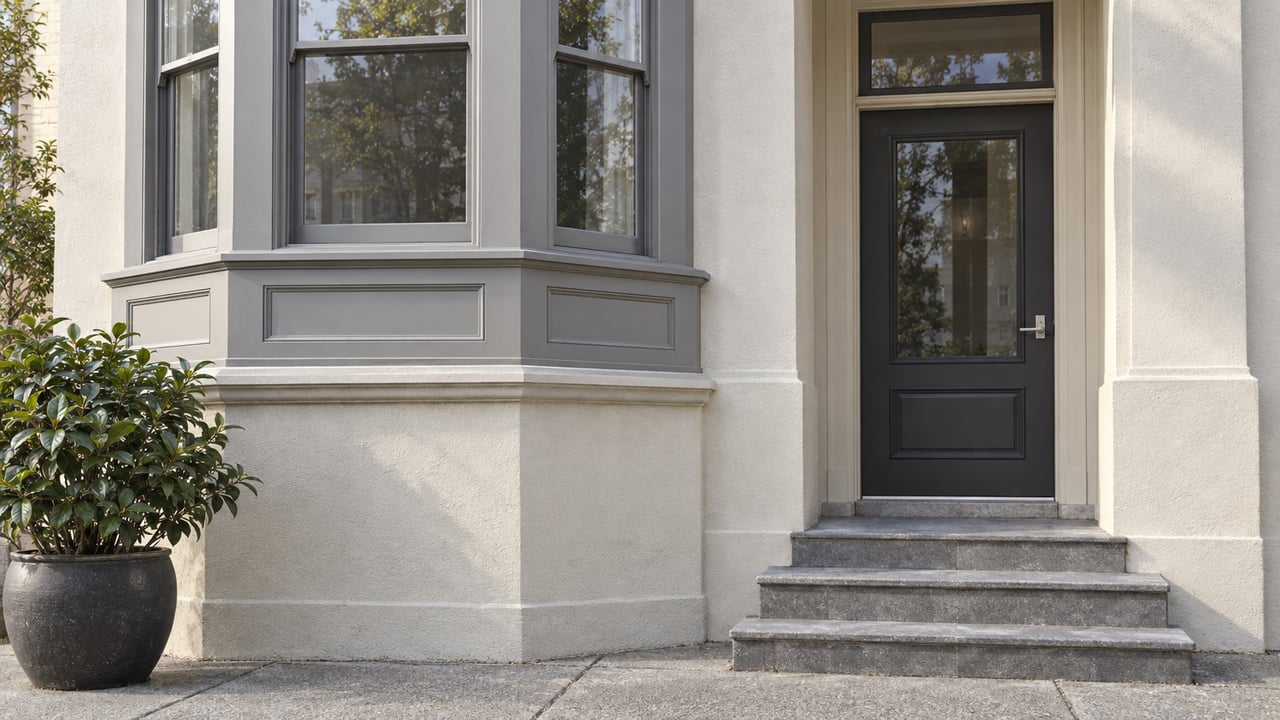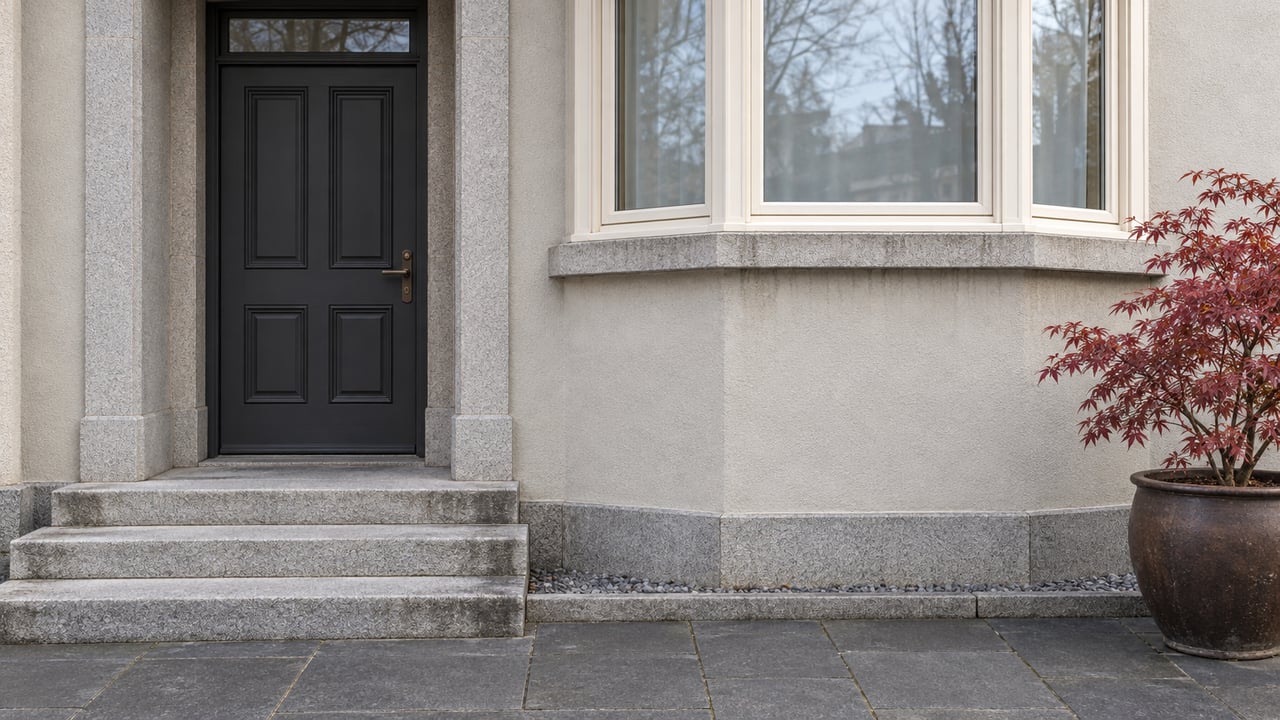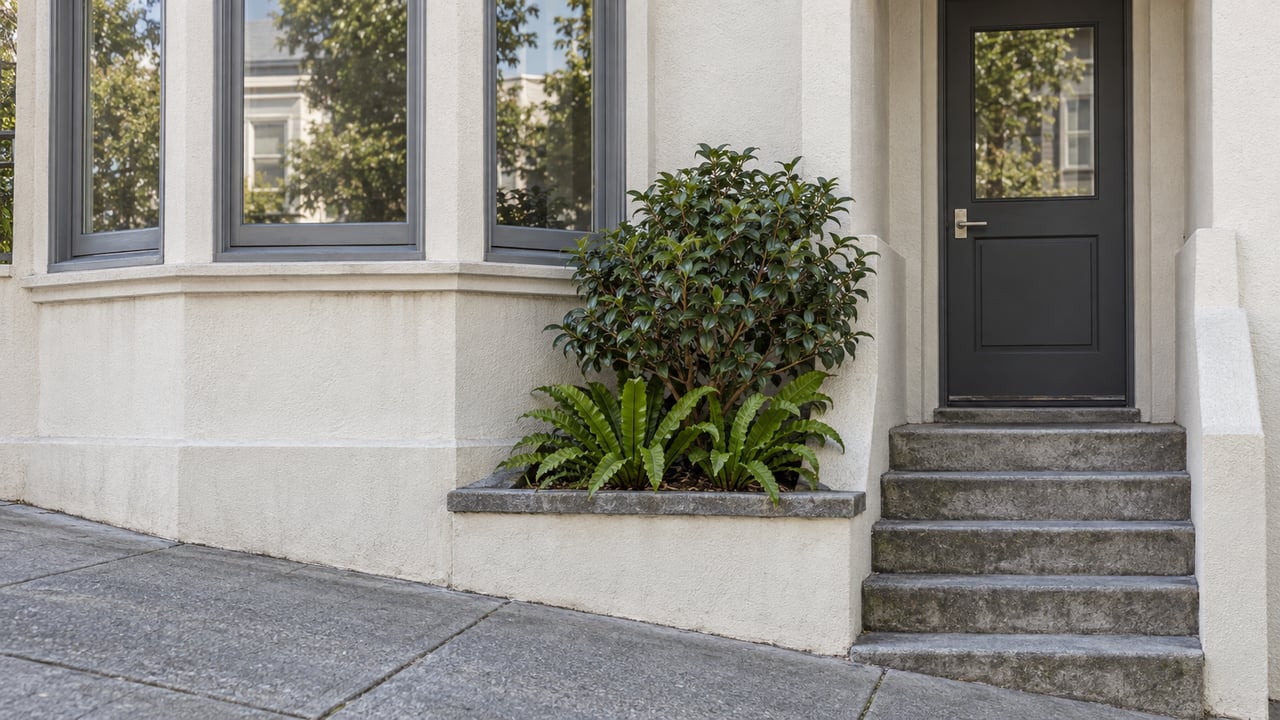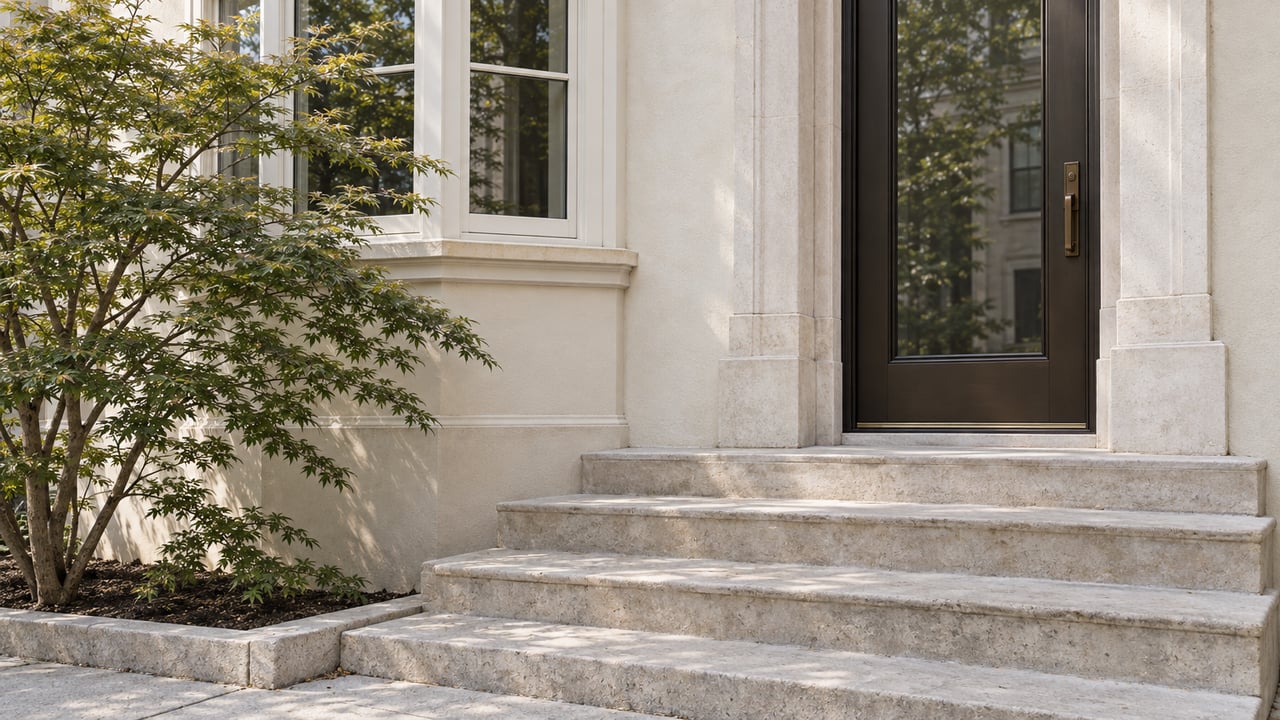
On a Thursday in late September, a six-bedroom Edwardian at 3460 Clay Street in Presidio Heights closed for $14.7 million. It had listed three weeks earlier for $11 million and sold 21 days later, according to The Real Deal, which reported the seller as an LLC called 3460 Clay Partners. The home last traded in 2019 for $9.1 million, so it climbed to $14.7 million in seven years, a gain of more than 60 percent; the $3.7 million difference between its list and sale prices accounted for roughly two-thirds of that increase.
A jump like that reads as an outlier until you look at the neighborhood-level data. The Real Deal reported this month that Presidio Heights and Pacific Heights show the largest gap between asking and sale price in San Francisco.
One Sale Is a Data Point. A Pattern Needs a Second One.
Earlier this year, a home on Spruce Street in Presidio Heights listed for about $4 million and sold for $8.2 million, more than doubling its ask, according to The Real Deal's first-half 2026 reporting. Citywide, 144 San Francisco homes sold for at least $1 million over their asking price in the first six months of 2026. Eight homes did that over the same span in 2025. Forty-four of this year's total came in June alone.
The San Francisco Standard's own reporting on the spring market found single-family homes selling for an average of about 25 percent over asking in May 2026, compared with roughly 10 percent over asking the year before, while the number of active listings citywide fell to just 225 that same month. Scarcity and demand were both moving in the same direction at once, which is the condition under which overbidding compounds instead of settling.
How the $5 Million Pricing Threshold Relates to Presidio Heights
There is a documented mechanism behind all of this, and it has a documented limit almost everywhere except here. Reporting by the San Francisco Standard in the fall of 2025 described how agents deliberately list homes below their expected value, set an offer date one to two weeks out, and let the resulting bidding function as a short auction. That playbook is common practice on single-family homes across the city, but agents quoted in the same reporting said it tends to lose its power once the list price climbs past about $5 million. Above that threshold, the share of homes selling over asking drops off sharply, because buyers at that altitude are pricing against fewer true comparables and are less willing to chase a number that already signals scarcity.
Presidio Heights sits well above that ceiling as a matter of course. The neighborhood's median closed sale price in March 2026 was $7,559,500, on just 13 recorded sales, with a median of 16 days on market and a 101.8 percent sale-to-list ratio. Every one of those closings happened in a price band where the citywide underpricing mechanic is supposed to stop working. It did not stop here.
The reason comes down to how little inventory actually exists. In late April 2026, one national listing platform showed only two active Presidio Heights listings while another showed five, with four of those newly listed. That is not a shortage in the way a hot suburban market runs short of inventory. That is a neighborhood where, in a given month, the entire pool of homes for sale could fit in a single open house. When there are only a handful of comparable properties in play, an asking price stops functioning as a market estimate and starts functioning as an opening bid in a room with very few other bidders, each of whom knows exactly how few options they have.
Part of the spread is deliberate pricing strategy rather than an accident of the market, as The Real Deal's July reporting described it. Sellers who price to attract volume, rather than to reflect a target number, are the ones benefiting most from a pool of buyers with very few alternatives.
Why the Neighborhood Median Cannot Be Trusted Either
If the asking price is unreliable in Presidio Heights, the neighborhood median is not much better, and for the same underlying reason: too few transactions. Redfin's own tracking illustrates the swing. The median closed sale price stood at $7,559,500 in March 2026. Over the three months ending in May 2026, the trailing median had moved to $5.3 million, up 20.5 percent year over year, with homes selling in a median of 10 days compared with 18 days the year before. By August 2026, Redfin's reported median sale price had shifted again, to $4,735,214, up 31.5 percent year over year.
None of those three figures contradicts the others. They are what happens when a headline number gets calculated from 13 to 17 closings a month. One trophy sale or one modest condo conversion can move the neighborhood median by seven figures. A buyer who anchors a budget to whatever median happened to publish that quarter is building a plan around statistical noise rather than the actual competitive landscape of the block they are shopping.
What holds steadier is the ratio, not the level. Redfin currently rates Presidio Heights a 94 out of 100 on its competitiveness scale, describing average homes as selling for about 10 percent above list price and going pending in around 13 days, with the most contested listings selling closer to 21 percent above list in about 8 days. That ratio, applied to whatever a specific comparable home is asking this month, is a far more durable planning tool than the trailing median.
What This Means for a Real Budget
A buyer comparing Presidio Heights against other San Francisco luxury enclaves should build a number around a few specific inputs rather than the listing price alone:
- The sale-to-list ratio for the most recent full month or quarter, not the trailing twelve-month average
- Days-to-contract on the two or three closest comparable sales, since a fast close usually signals the mini-auction mechanic was in play
- Recent same-block or same-architecture closings rather than the published neighborhood median, given how few transactions drive that figure
- Whether the listing agent has set a specific offer date, which is the clearest signal that a low ask is intentional rather than a fair-value estimate
There is also a cost that shows up after closing rather than in the purchase price. Much of the neighborhood's housing stock dates from roughly 1905 to 1925, and city planning materials treat Presidio Heights as a preservation-sensitive district. Exterior changes, additions, and visible facade work face closer review than in newer parts of the city. Anyone underwriting a renovation into their purchase math should factor approval timelines into total cost of ownership, not just the number on the settlement statement.
Lot sizes here vary enough that no single per-square-foot figure travels well across the neighborhood. Parcels range from just under 2,700 square feet to more than 10,000, which means a block-by-block comparison matters more than a neighborhood-wide average, in pricing and in what a buyer can eventually do with the property.
A Few Questions Buyers Ask
Does every Presidio Heights listing sell for millions over asking? No. The pattern concentrates in trophy single-family homes competing for a pool of buyers with almost no alternatives. Smaller condominiums along the Sacramento Street corridor, where more comparable units exist, do not show the same spread between ask and close.
Is the $5 million ceiling really a hard line elsewhere in the city? Reporting on the citywide pattern describes it as a steep drop-off in the frequency of over-ask sales above that price point, not an absolute cutoff. Presidio Heights and Pacific Heights are the two neighborhoods The Real Deal singled out for the widest gaps, which is part of what makes them distinct micro-markets rather than smaller versions of the citywide trend.
How should an offer actually get structured here? Use the published ask as one reference point. Build the opening number around recent same-block closings and the current sale-to-list ratio, and confirm whether the listing has a set offer date before assuming there is room to negotiate down.
If you are trying to estimate what a Presidio Heights purchase or sale will take, a clear picture starts with looking beyond the asking price. Rossi Real Estate works through the recent comparable closings, the offer-date mechanics, and what a specific block has actually traded for before any figure gets written down. Schedule a private consultation to talk through the current listings and what they are likely to cost.
This article is general information, not legal, tax or financial advice. Consult a qualified professional about your situation.